
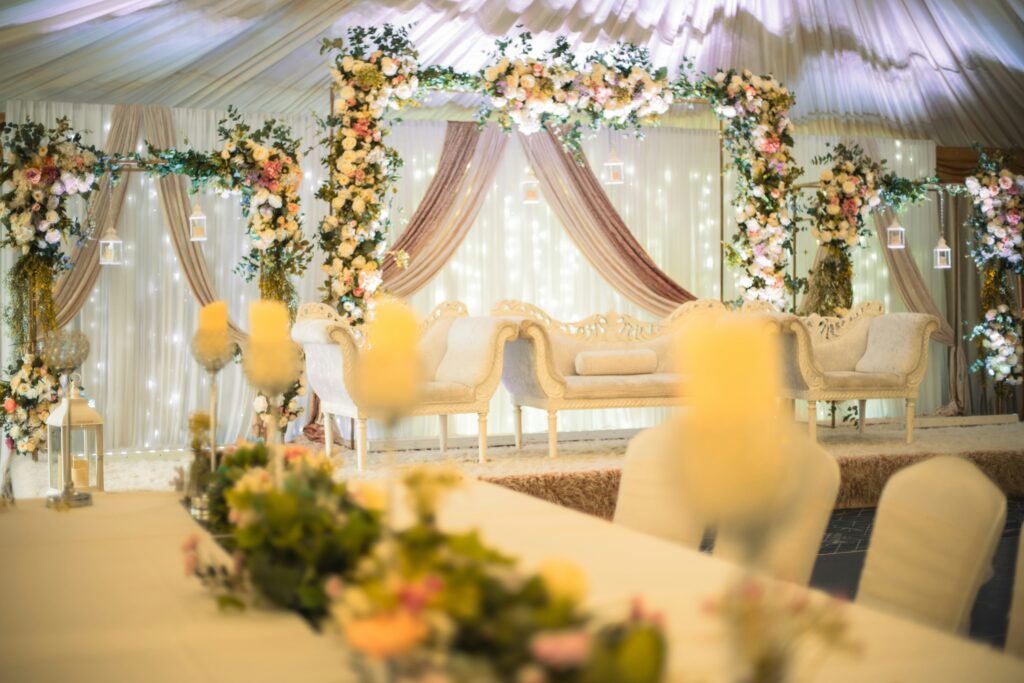
The first time I actually reached for an ND filter was during a wedding shoot, trying to manage the harsh, mixed lighting inside the venue. It solved the problem well! But when I later picked up a filter kit for a video project (hoping to get a softer, more cinematic look with a diffusion filter)
I noticed I barely ended up using it after that first shoot. If you’re standing at the same crossroads (single filter or full kit), this guide walks through how to actually decide.
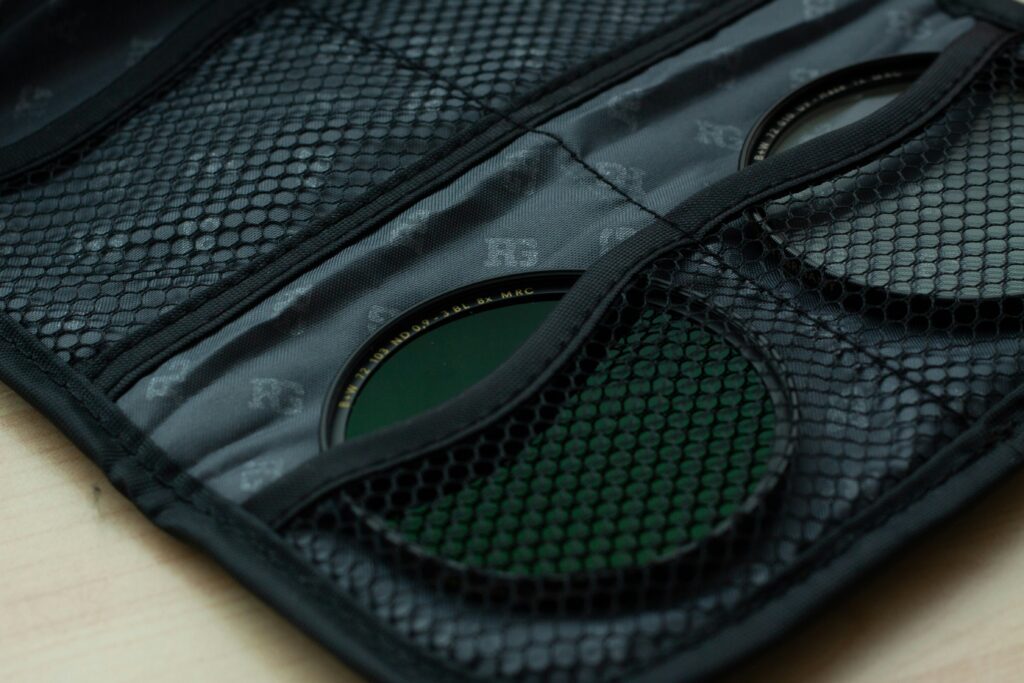
What You’re Actually Choosing Between: Kit vs Single Filter
A single ND filter means buying one filter at a fixed strength (like ND8 or ND64) that fits your lens. A filter kit typically includes several ND strengths in one case, and sometimes throws in other filter types entirely (like polarizers or diffusion filters).
The right choice really comes down to how varied your shooting conditions are, and whether you already know which specific strength you need, or you’re still figuring that out.
💡 Quick Tip: ND filter strength is usually labeled with a number (like ND8, ND64, or ND1000). The higher the number, the more light the filter blocks, useful for very bright conditions or long exposure effects.
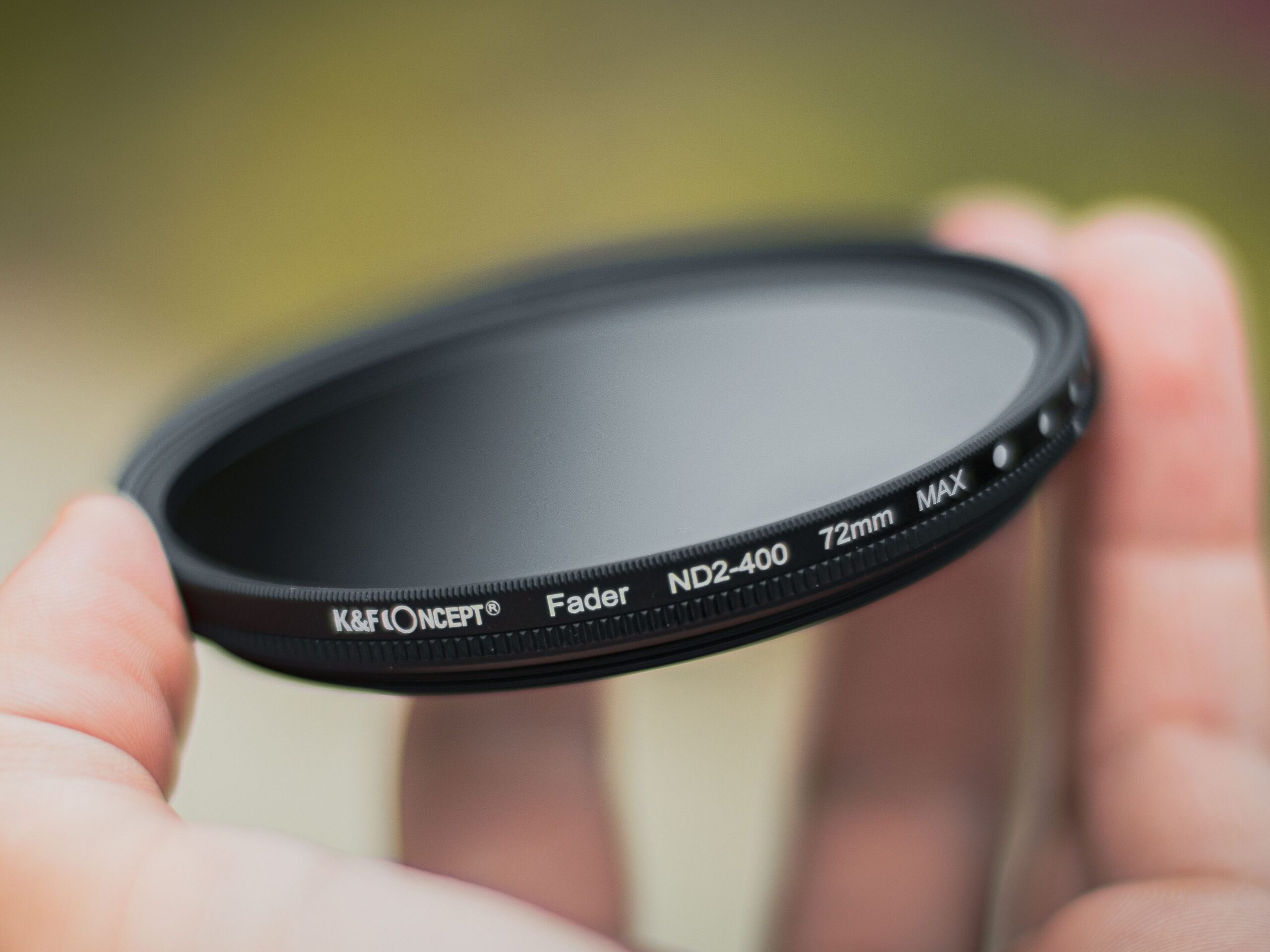
When a Single Filter Is All You Need
In my case, I knew exactly what I was dealing with: a specific venue, with specific (if tricky) indoor lighting. A single ND filter was enough to bring the exposure under control without needing a whole range of strengths.
If you tend to shoot in fairly consistent conditions (the same type of location, similar lighting each time), a single filter matched to that situation can genuinely be all you need. There’s no reason to pay for a full range of strengths you won’t use.
When a Filter Kit Makes More Sense
On the other hand, if you shoot in a wider range of conditions (bright midday sun one day, overcast skies the next, indoors another time), a kit gives you the flexibility to match the filter strength to whatever you’re facing, without guessing wrong and being stuck with the wrong tool.
Kits are also a reasonable starting point if you’re still new to ND filters and don’t yet have a feel for which strength you’ll reach for most. It takes some of the guesswork out early on.
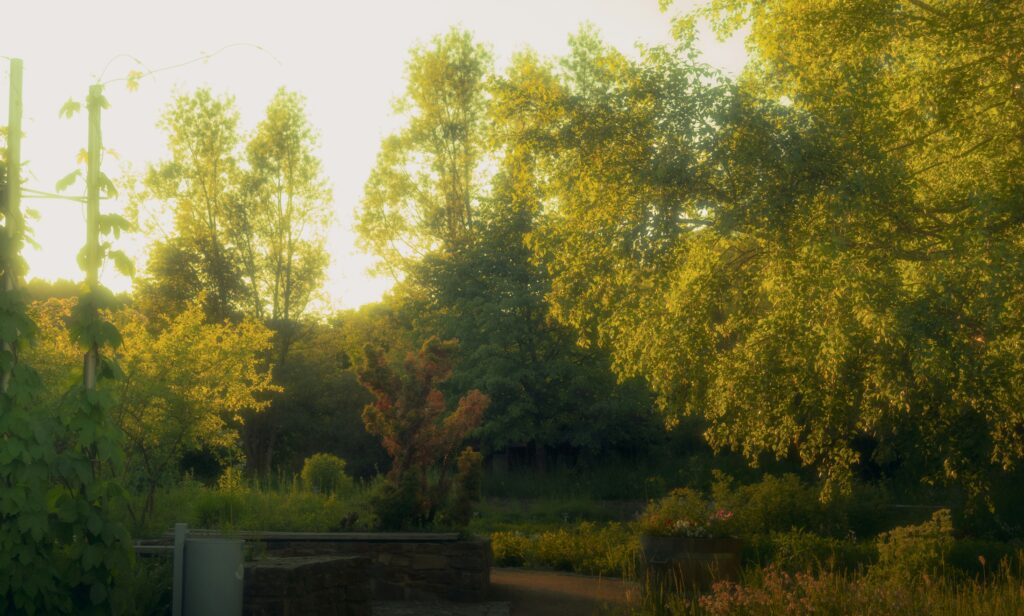
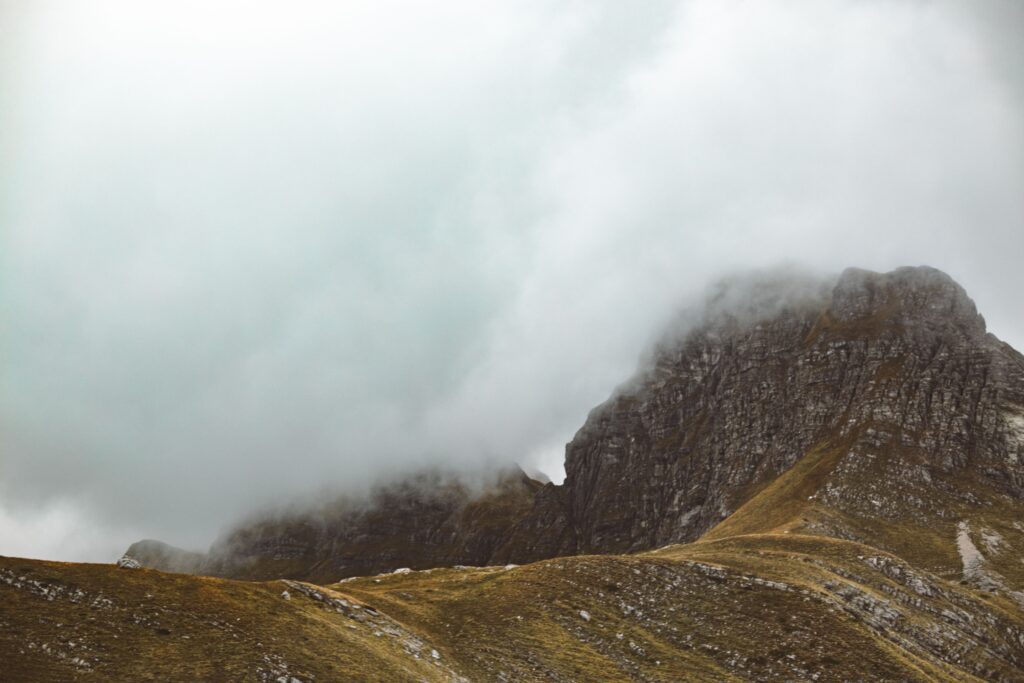
or cloudy day
The Risk of Kits: Paying for Filters You Might Not Use
Here’s where my own experience is honestly a bit of a cautionary tale. When I picked up a filter kit for a video project, it included a diffusion filter (a 1/8 strength one, which softens highlights for a more emotional, cinematic look). I was excited to use it, but after that first project, I genuinely didn’t reach for it again nearly as often as I expected.
⚠️ Watch Out: Kits often include specialty filters (diffusion, graduated, or color filters) that sound appealing but may not fit your actual shooting style. Before buying a kit for the extras, honestly consider whether you’d use those specific filters regularly, or if you’re paying for them just because they’re included.
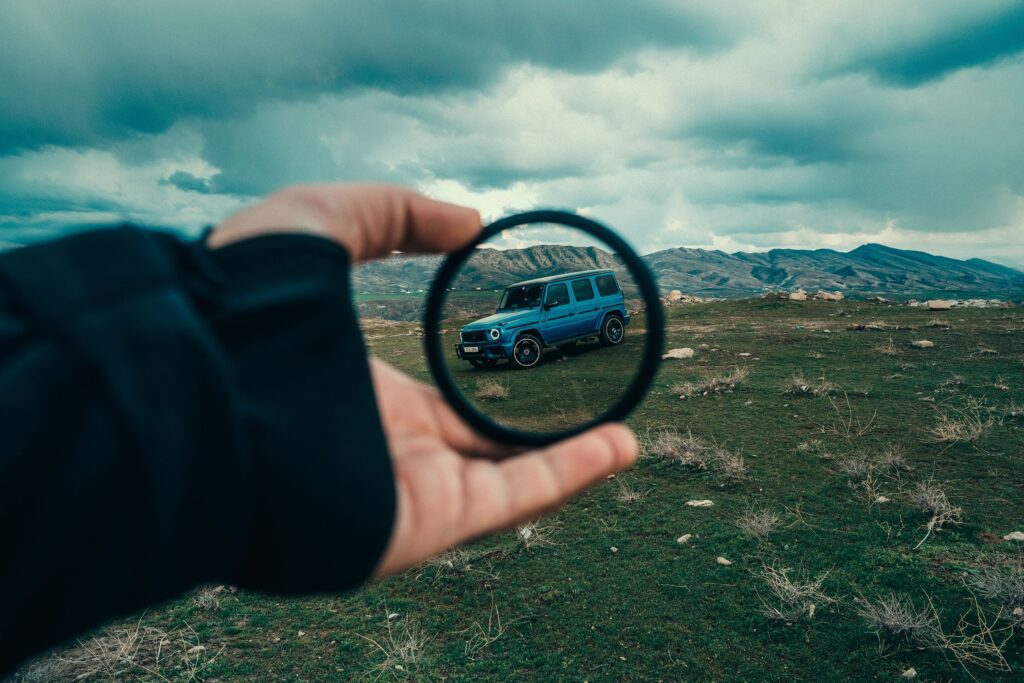
So, Which Should You Actually Buy?
If your shooting conditions are fairly predictable, a single, well-matched ND filter is often the smarter, more cost-effective choice (check out our ND filter guide if you’re still deciding whether you need one at all).
If you shoot in a wide range of conditions or are still learning what strength suits your style, a kit can be worth the flexibility, just go in with realistic expectations about which specialty filters you’ll actually use.
📌 Key Takeaways
- A single ND filter works well when your shooting conditions are fairly consistent.
- A filter kit offers flexibility for varied conditions, but often includes extras you may rarely use.
- Be honest with yourself about your actual shooting style before paying for a full kit’s worth of options.
I hope sharing my own back-and-forth with this helps you avoid the same trial and error! Whichever route you go, matching the filter to how you actually shoot matters more than how many pieces come in the box.
Want to keep learning?
Leave a Reply