
Standing in a camera store (or scrolling through an online listing) and seeing lens names full of numbers and abbreviations can feel overwhelming. Prime, zoom, wide-angle, telephoto…
What does it all actually mean, and which one do you need? By the end of this guide, you’ll understand the main lens types and have a clear idea of what to look for based on what you actually like to shoot.
Prime vs Zoom: The Most Basic Lens Decision
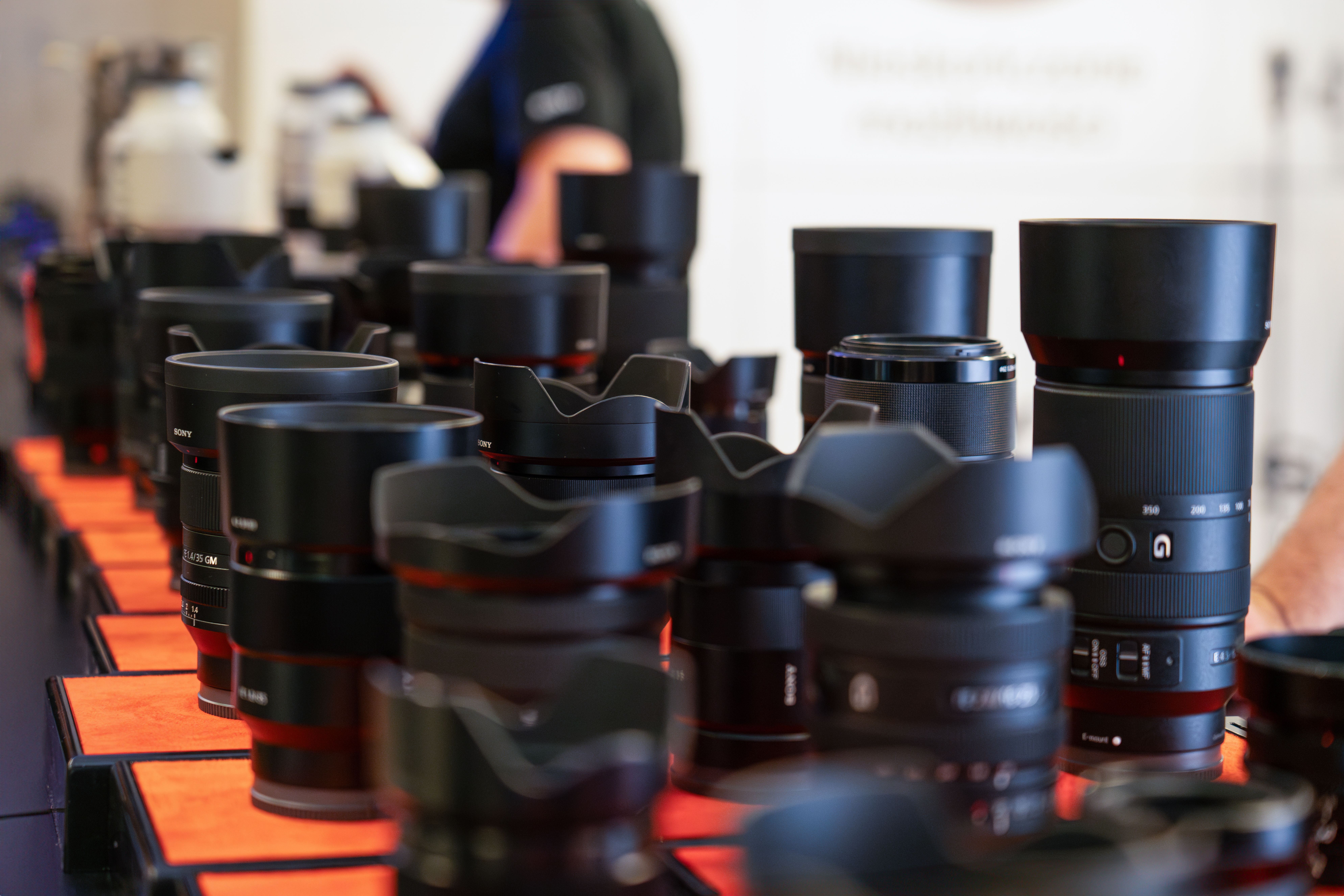
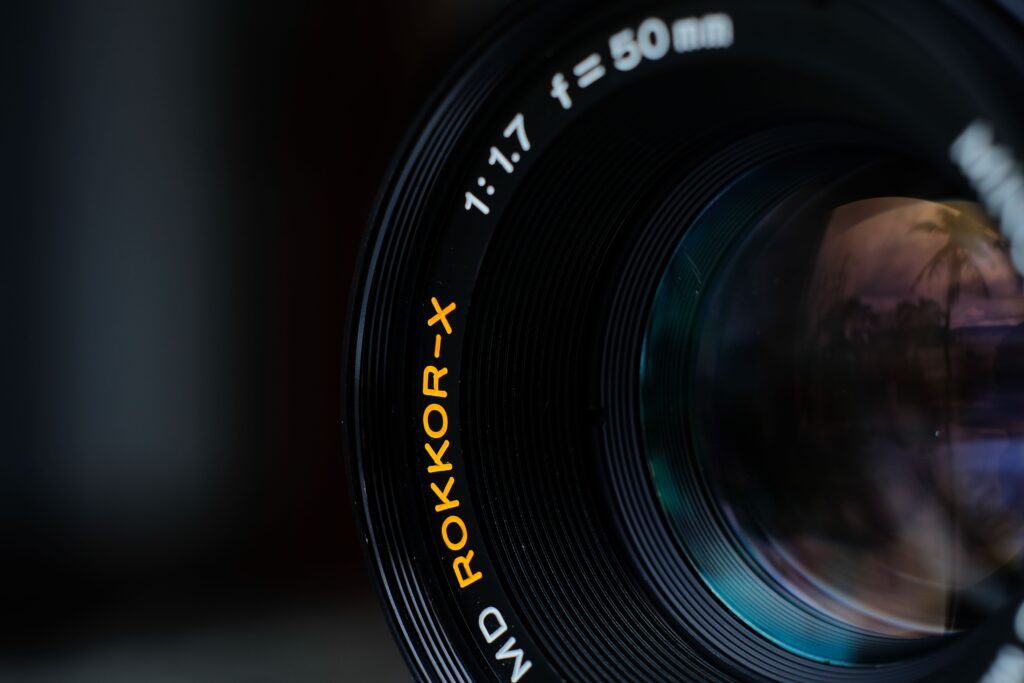
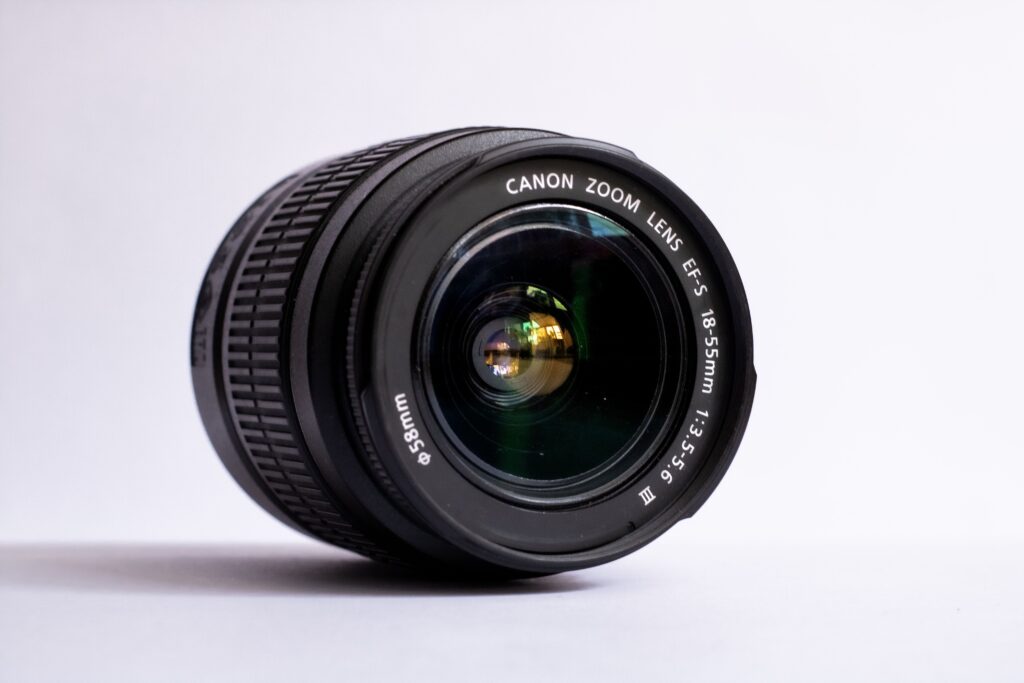
Before diving into specific lens types, it helps to understand this basic split: prime lenses have a single, fixed focal length (like 50mm), while zoom lenses cover a range (like 18-55mm) that you can adjust.
Prime lenses tend to produce sharper images and let in more light (great for low-light situations or blurry backgrounds), but they require you to physically move around to change your framing.
Zoom lenses are more flexible since you don’t need to change lenses or move as much, though they’re often a bit less sharp and let in less light compared to a prime lens at the same price point.
If your camera came with a kit lens, it’s almost certainly a zoom lens (something like 18-55mm), which is a totally reasonable place to start.
💡 Quick Tip: The number on a lens (like 50mm or 200mm) refers to its focal length. Smaller numbers mean a wider field of view, while larger numbers mean the lens “zooms in” more on distant subjects.
Wide-Angle Lenses: Great for Landscapes and Tight Spaces
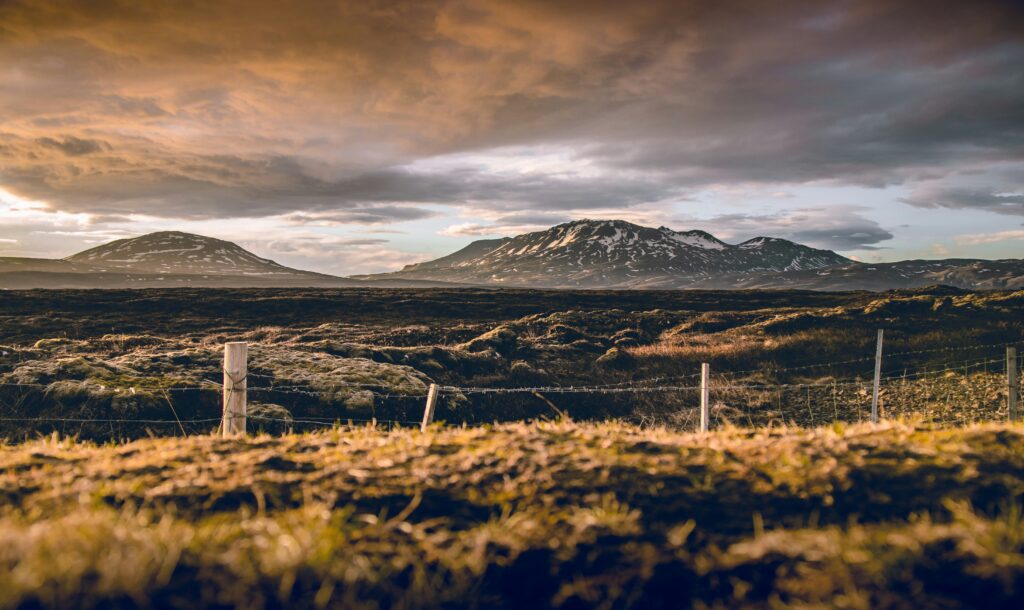
Wide-angle lenses (generally anything under about 35mm) capture a broader view of the scene in front of you. They’re a favorite for landscape photography, architecture, and interior shots, since they let you fit more into the frame without needing to step back.
They’re also useful in tight spaces (a small room, a narrow street) where you physically can’t back up any further to capture the whole scene.
⚠️ Watch Out: Wide-angle lenses can distort the edges of your frame (objects near the corners can look stretched or curved). This is usually fine for landscapes, but it’s not the most flattering choice for close-up portraits.
Telephoto Lenses: Bringing Distant Subjects Closer
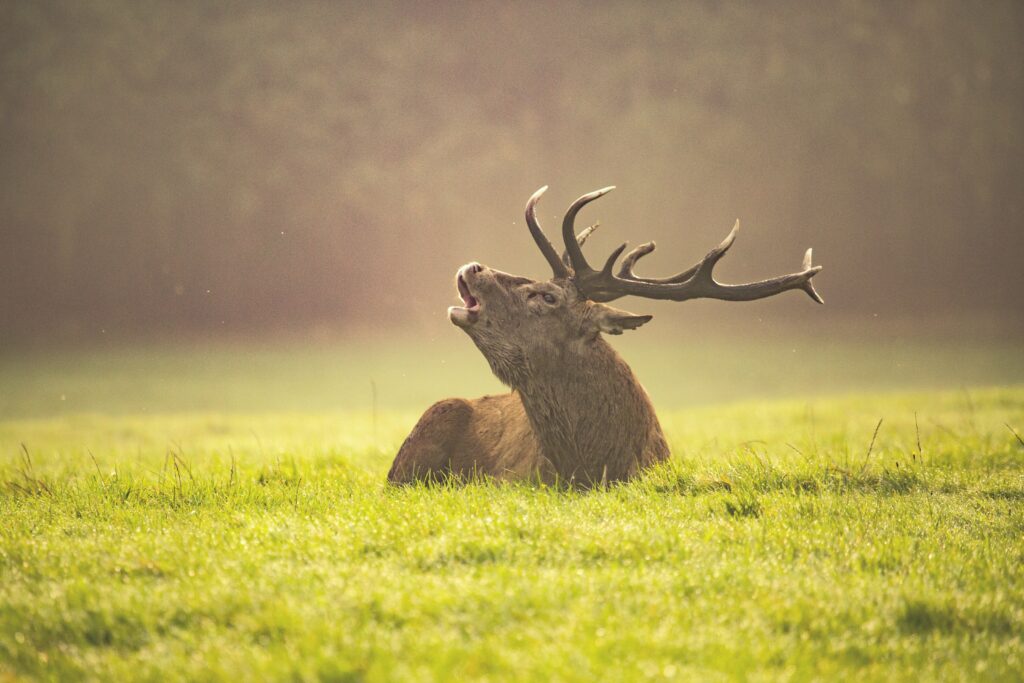
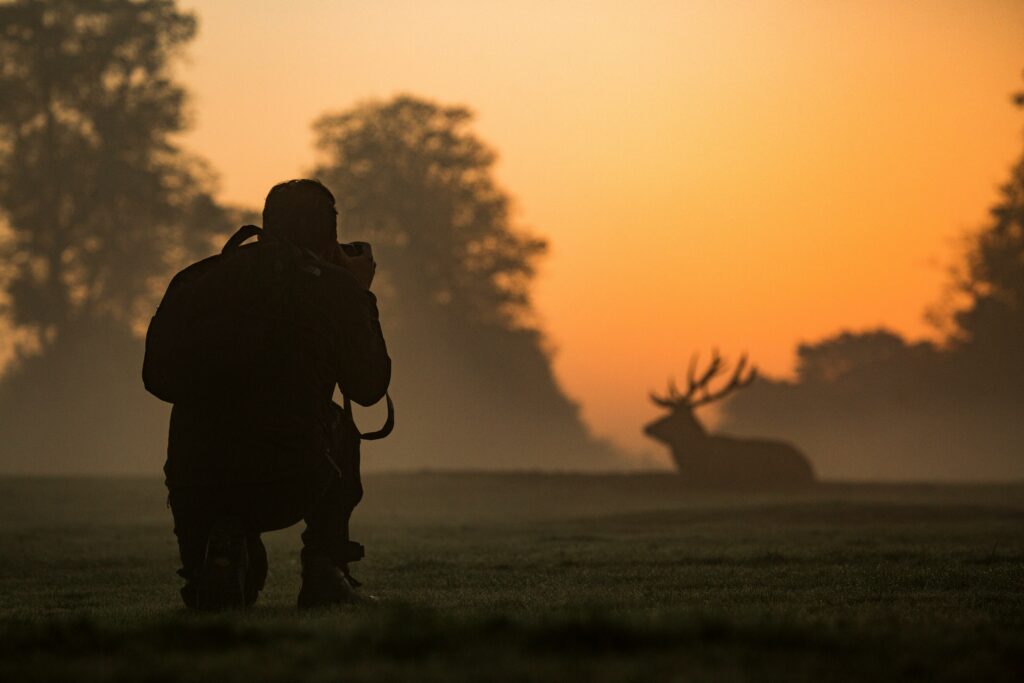
On the opposite end, telephoto lenses (generally 70mm and up) let you bring distant subjects closer without physically moving. They’re the go-to choice for wildlife photography, sports, and even portraits (since they can create a beautifully blurred background while keeping your subject sharp).
The tradeoff is that telephoto lenses tend to be heavier and more sensitive to camera shake, especially the further you zoom in. If you’re shooting at longer focal lengths, using a tripod can make a real difference in keeping your shots sharp.
Macro Lenses: For Capturing Tiny Details
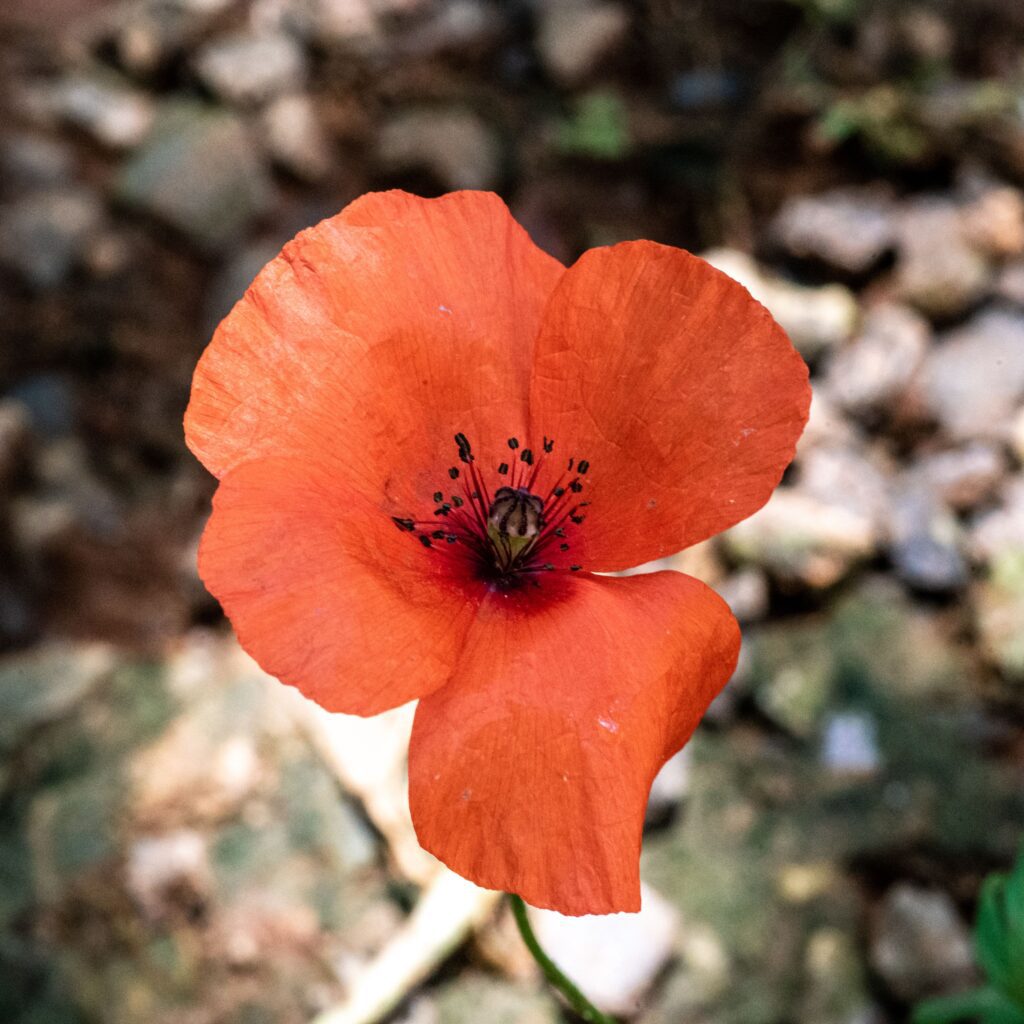
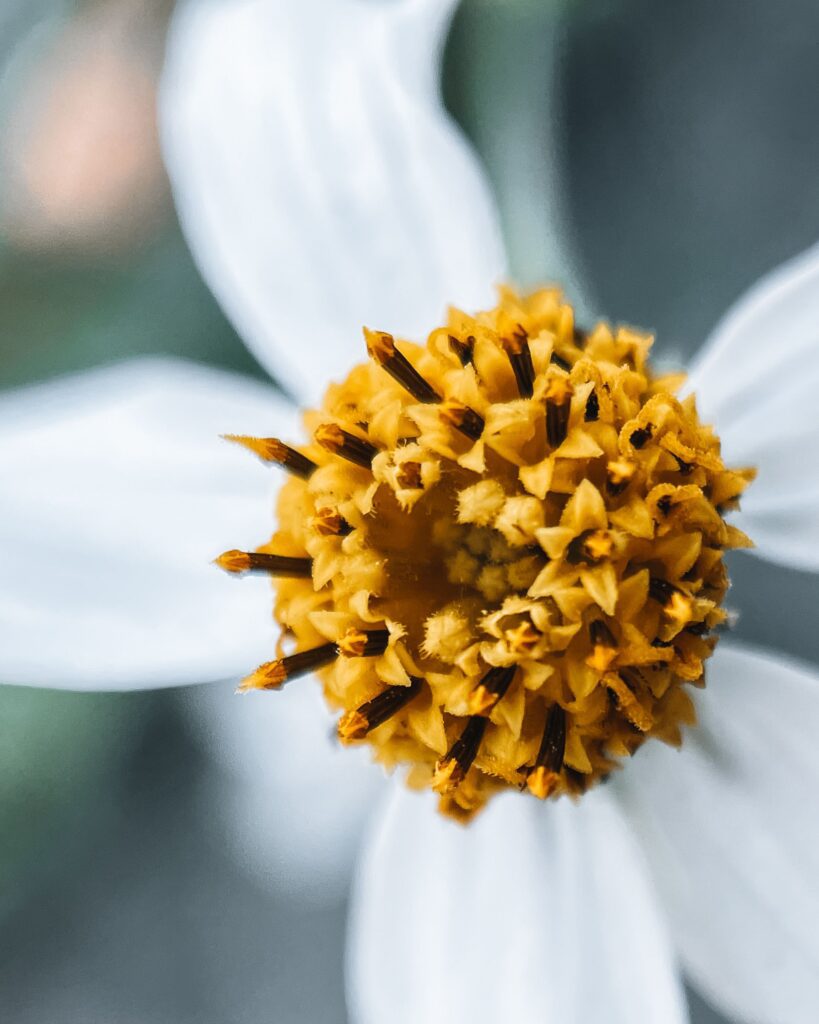
Macro lenses are built for extreme close-up photography, capturing fine details on small subjects like insects, flowers, or jewelry that you’d normally never notice with the naked eye.
Honestly, this is a specialty lens that most beginners don’t need right away. It’s worth considering later on if you find yourself drawn to close-up or detail-focused photography, but it’s rarely a good first purchase.

Which Lens Should You Actually Start With?
For most beginners, the kit lens that came with your camera (usually an 18-55mm zoom) genuinely covers most everyday situations well. There’s no rush to buy anything else right away.
If you do want to add a second lens down the line, a budget-friendly 50mm prime lens is a popular and affordable next step (often nicknamed the “nifty fifty”). It’s sharp, works well in low light, and teaches you to think more deliberately about framing since you can’t zoom.
Before worrying too much about lens types, though, it’s worth making sure you’re comfortable with the basics of exposure (check out our exposure triangle guide if you haven’t already!). Understanding exposure will help you get more out of whichever lens you’re using.
📌 Key Takeaways
- Prime lenses offer sharper images and better low-light performance; zoom lenses offer flexibility.
- Wide-angle lenses suit landscapes and tight spaces, while telephoto lenses bring distant subjects closer.
- Most beginners can start with their kit lens and add a 50mm prime lens as an affordable next step.
I hope this clears up some of the confusion around lens types! Remember, the best lens is the one that fits how you actually like to shoot, so don’t feel pressured to buy everything at once.
Want to keep learning?
Leave a Reply