
If you’ve been using a budget tripod for a while, you might have started noticing small annoyances (a slight wobble in the wind, a head that won’t quite lock in place, or just a general feeling that your gear isn’t as steady as you’d like).
Is it time to upgrade, or is your entry-level tripod actually fine? This guide breaks down what really changes between entry-level and mid-range tripods, so you can decide if an upgrade is worth it for your specific needs.
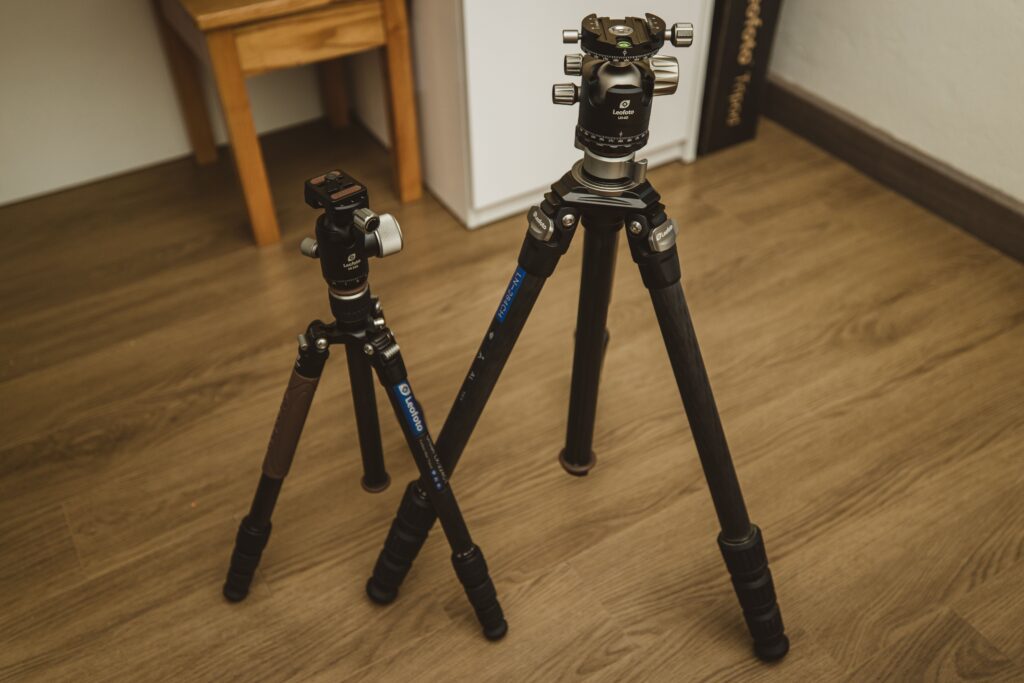
What Actually Separates Entry-Level from Mid-Range Tripods
Before getting into specifics, it helps to know this: a higher price doesn’t automatically mean “better for you.” Entry-level tripods are often perfectly capable for casual, everyday shooting. Mid-range tripods tend to improve in a few specific areas (materials, stability, and head quality) that matter more as your gear gets heavier or your shooting gets more demanding.
Understanding these differences helps you figure out whether an upgrade would actually solve a problem you’re having, rather than just spending more money for the sake of it.
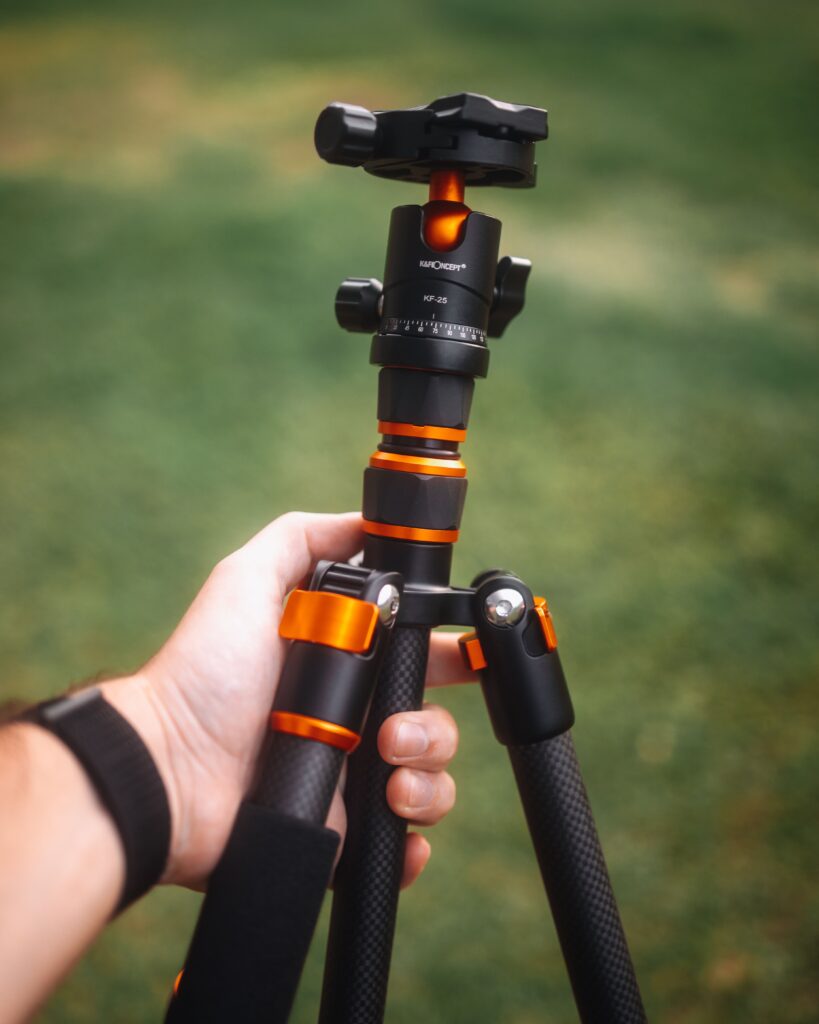
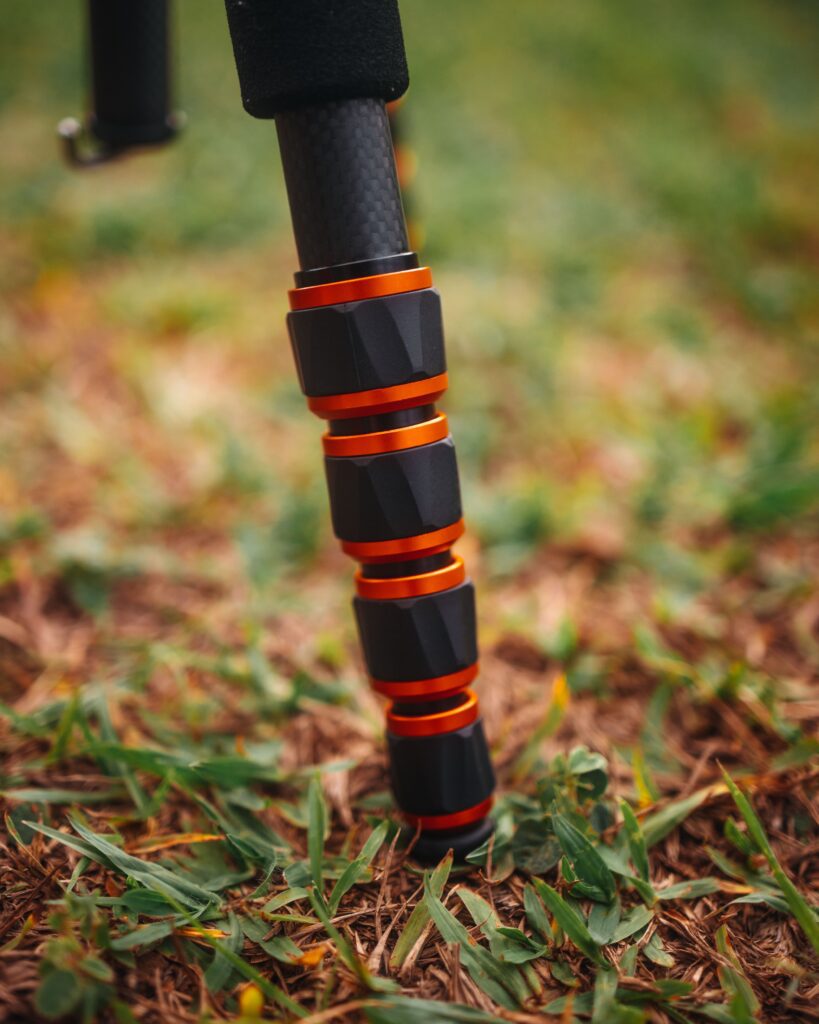
Build Materials: Aluminum vs Carbon Fiber
Most entry-level tripods are made of Aluminum, which is sturdy and affordable, but noticeably heavier. Mid-range tripods often switch to (or offer the option of) Carbon fiber, which is significantly lighter while maintaining similar or better strength.
The real question is whether weight is actually a problem for you. If you mostly shoot around the house or drive to nearby locations, the extra weight of aluminum probably won’t bother you much. If you’re hiking, traveling, or carrying your gear for long stretches (check out our travel tripod guide if that’s you!), the weight savings can make a real difference.
💡 Quick Tip: Carbon fiber tripods are often noticeably more expensive than aluminum ones. If weight isn’t a real problem for your shooting style, aluminum can still be a perfectly smart choice at the mid-range level.
Stability and Weight Capacity: Where Cheap Tripods Struggle
This is often where entry-level tripods show their limits. Lightweight or thin-legged budget tripods can wobble in windy conditions, especially with a heavier camera and lens combination attached. Mid-range tripods generally offer thicker leg sections, better locking mechanisms, and higher weight capacity ratings.
If you’ve ever noticed your shots coming out slightly blurry even when you thought you were holding still, an unstable tripod could be part of the problem.
⚠️ Watch Out: Always check a tripod’s maximum weight capacity and choose one with some room to spare above your actual camera and lens weight. A tripod rated right at your gear’s exact weight often performs less stably in real-world conditions (wind, uneven ground, and so on).
Head Quality and Smoothness: The Upgrade You’ll Feel Immediately
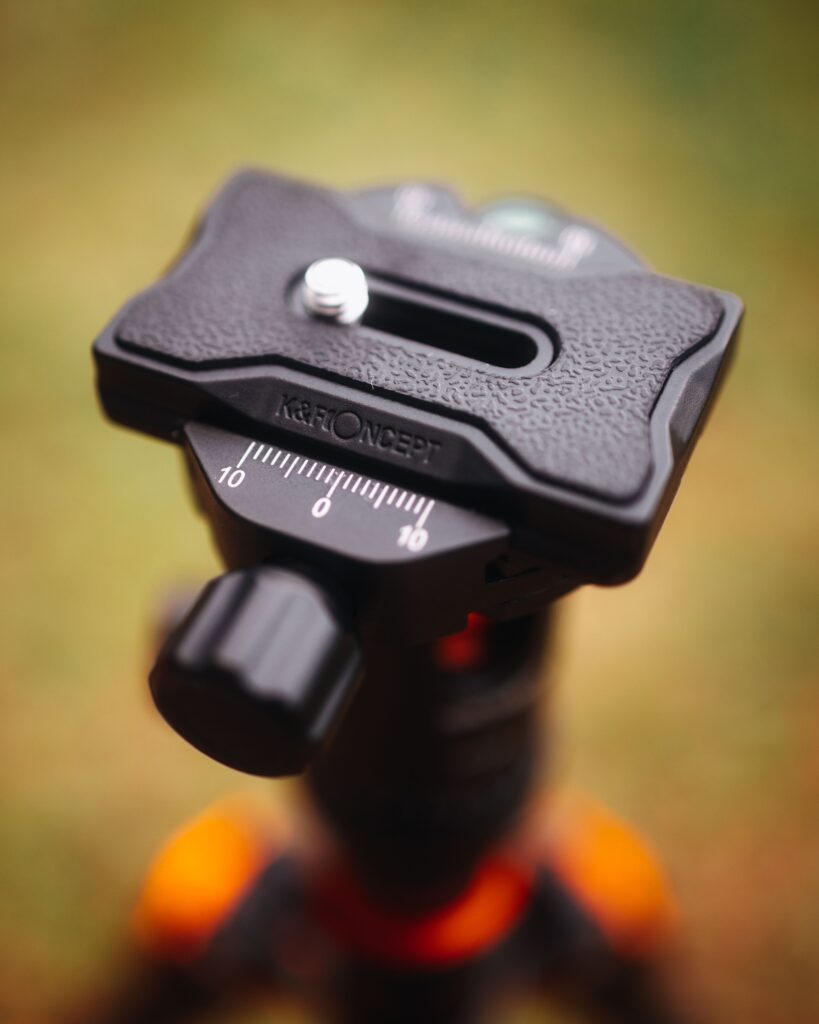
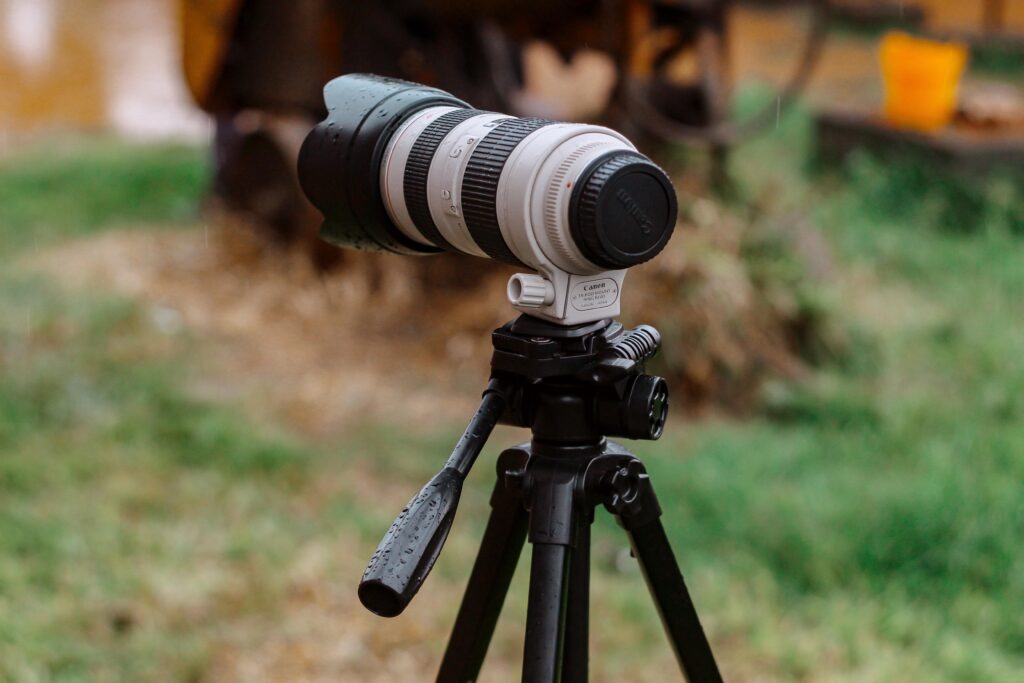
The tripod head (where your camera actually attaches) is often the most noticeable upgrade between entry-level and mid-range models. Budget heads can feel stiff, slip slightly after you’ve locked them in place (sometimes called “drift”), or lack smooth, precise movement for framing your shot.
Mid-range heads tend to feel noticeably smoother, lock more securely, and allow for finer adjustments, something you’ll likely feel the very first time you use one.
So, Do You Actually Need to Upgrade?
Here’s a simple way to think about it: if your current tripod is holding your camera steady, working smoothly, and you’re happy with your results, there’s no rush to upgrade just because a “better” option exists.
Consider upgrading if you’re regularly dealing with wobble or instability, shooting with heavier gear than your tripod was designed for, or find yourself frustrated with a head that won’t lock smoothly. On the other hand, if you’re mostly shooting casually and your current setup gets the job done, that money might be better spent elsewhere in your kit.
📌 Key Takeaways
- Mid-range tripods typically improve in build material, stability, and head quality, not necessarily “everything.”
- Carbon fiber saves weight but comes at a higher price, only worth it if weight is a real issue for you.
- Upgrade when you notice actual problems (wobble, drift, weight limits), not just because a pricier option exists.
Hopefully this helps you figure out whether an upgrade actually makes sense for how you shoot! There’s no need to spend more than necessary if your current setup is already doing its job well
Want to keep learning?
Leave a Reply