
If your camera bag situation right now is “whatever backpack I had lying around,” you’re definitely not alone! But as your gear collection grows (an extra lens here, a flash there, maybe a tripod), a regular bag stops cutting it. This guide compares the three most common camera bag types, so you can figure out which one actually fits how you shoot.
What Actually Matters When Choosing a Camera Bag
Before comparing specific bag types, it helps to think through a few practical questions: How much gear do you actually carry? How quickly do you need to access your camera? And how far or how long do you typically carry your bag?
These three factors (capacity, accessibility, and comfort over distance) matter far more than how a bag looks. A gorgeous bag that leaves your shoulder aching after an hour, or one that’s too small for your lenses, isn’t going to serve you well no matter how nice it looks.
💡 Quick Tip: When choosing a bag, think a bit beyond your current gear. If you’re likely to add a lens or accessory in the next year or two, picking a bag with a little extra room can save you from needing to upgrade again soon.
Backpacks: Best for Carrying a Lot, Comfortably
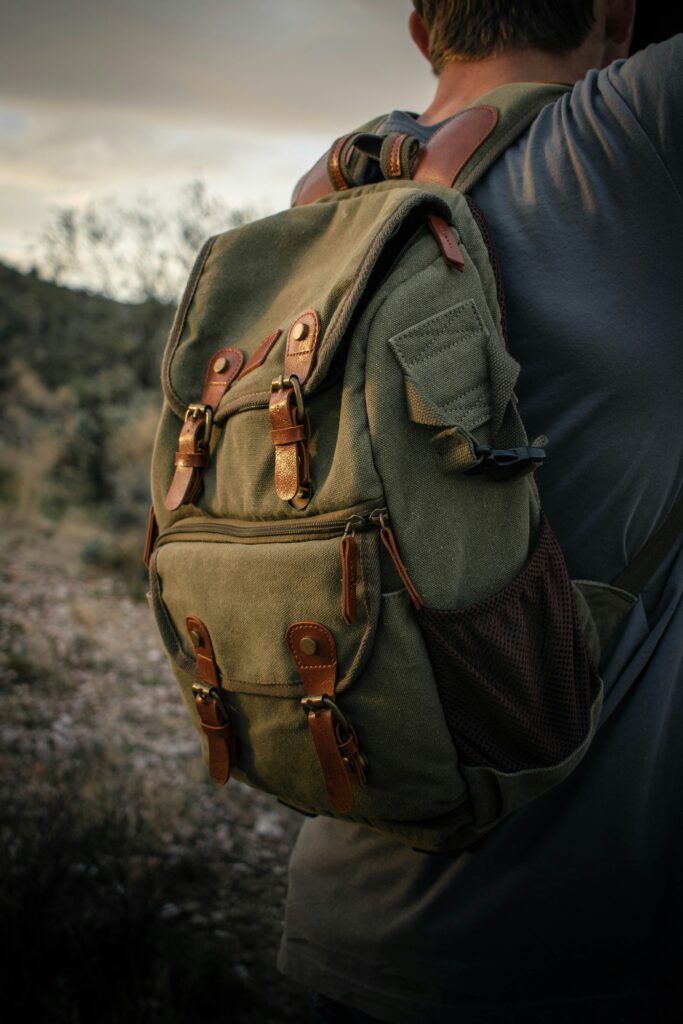
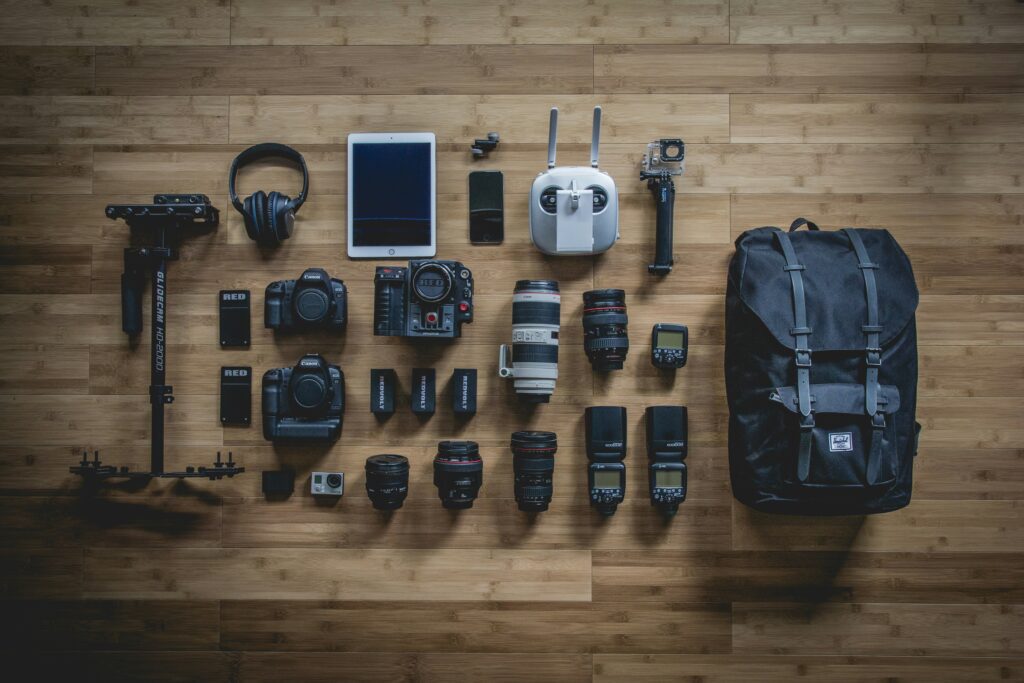
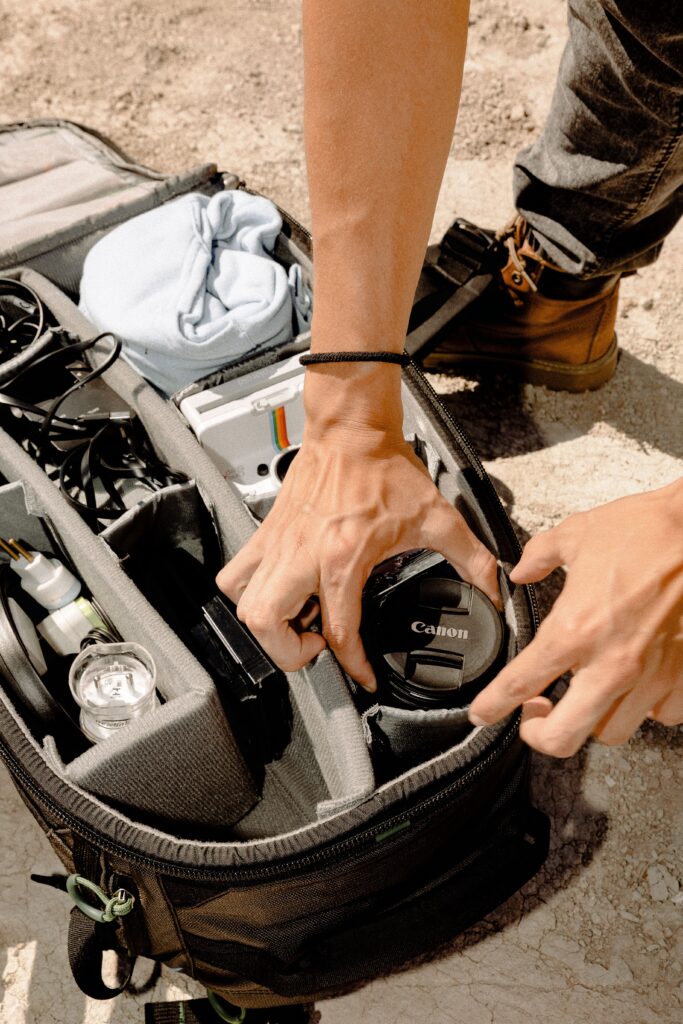
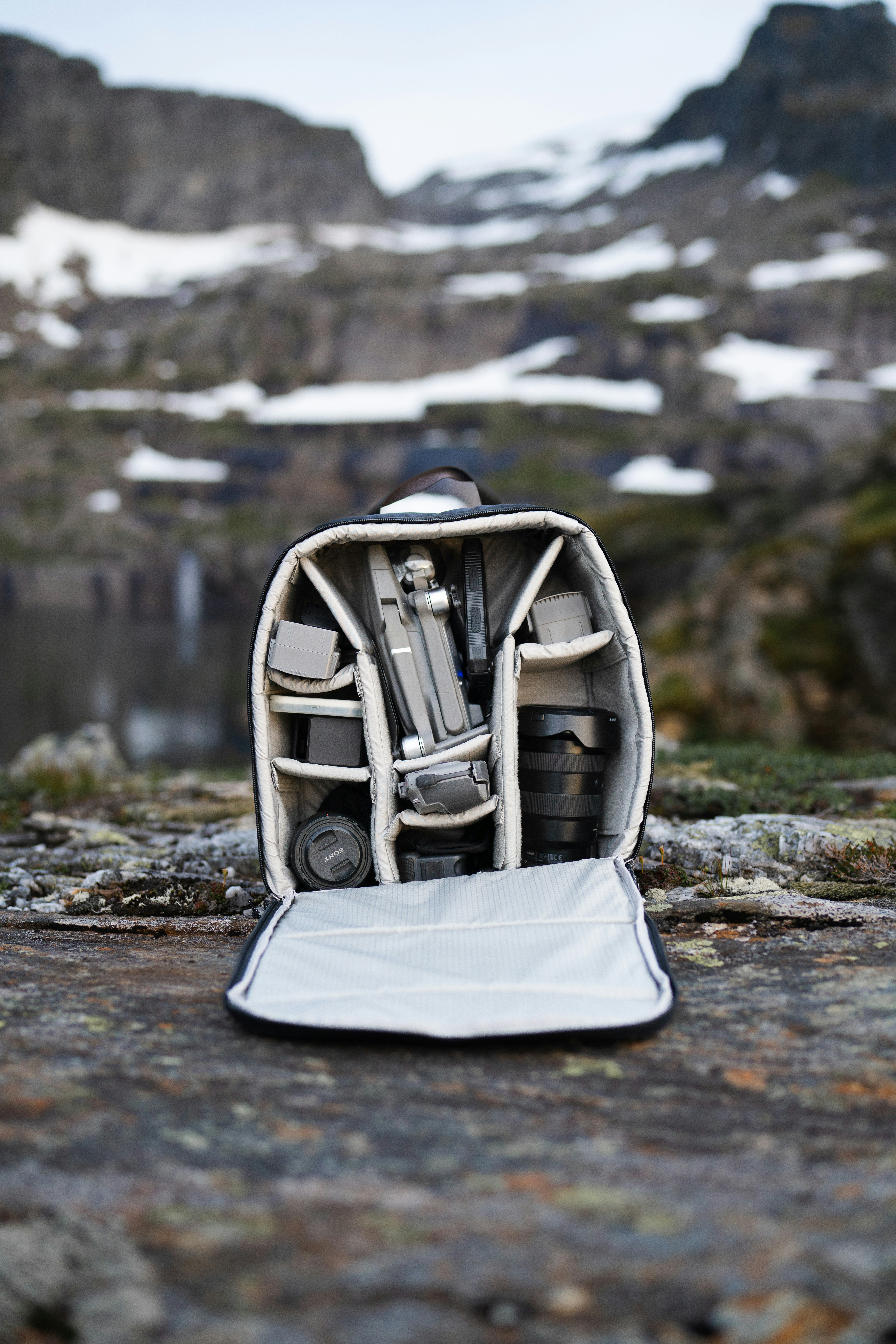
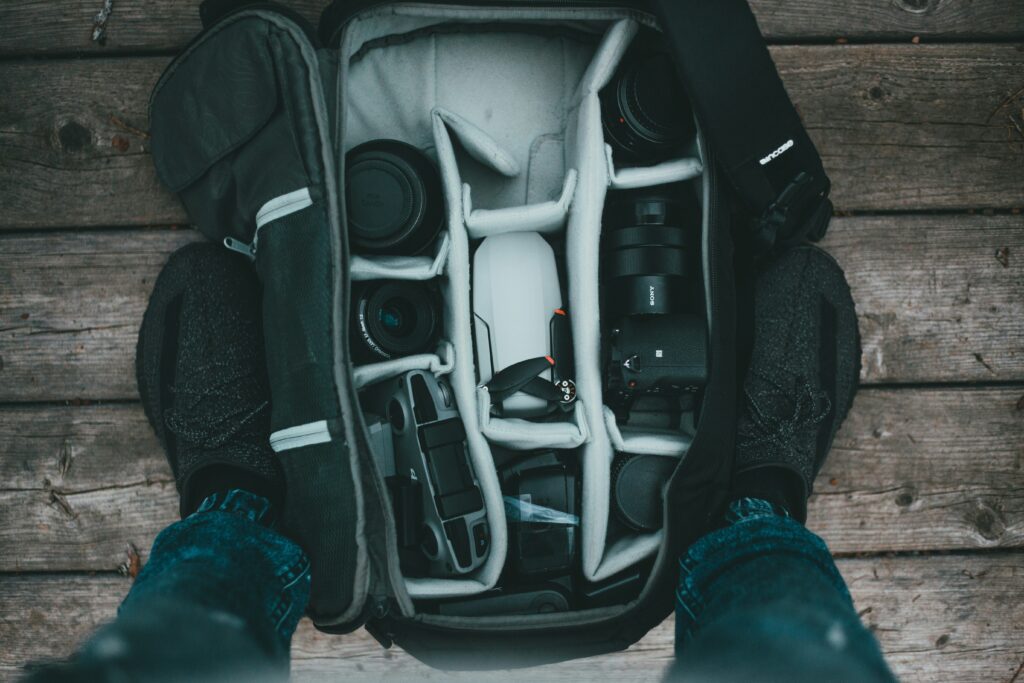
Backpacks distribute weight across both shoulders (and often your hips, with a waist strap), making them the most comfortable option for carrying a lot of gear over long distances. If you’re hiking, traveling, or simply carrying multiple lenses and accessories, a backpack is usually the most practical choice.
The tradeoff is accessibility: getting your camera out usually means taking the bag off and opening it up, which isn’t ideal if you need to shoot quickly or unexpectedly
Shoulder Bags: Best for Quick Access
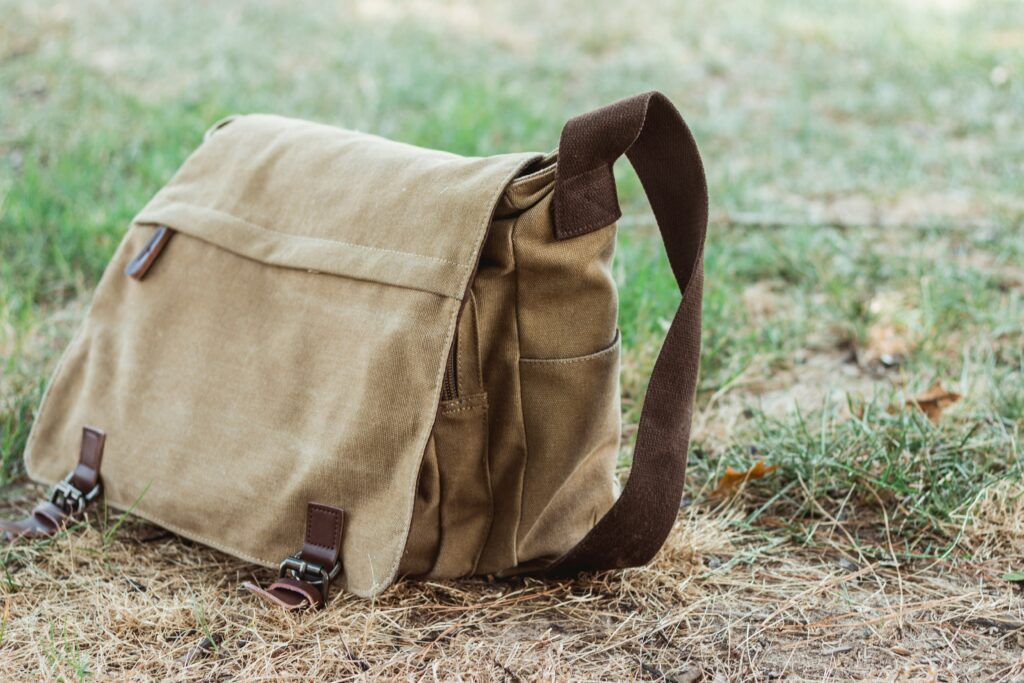
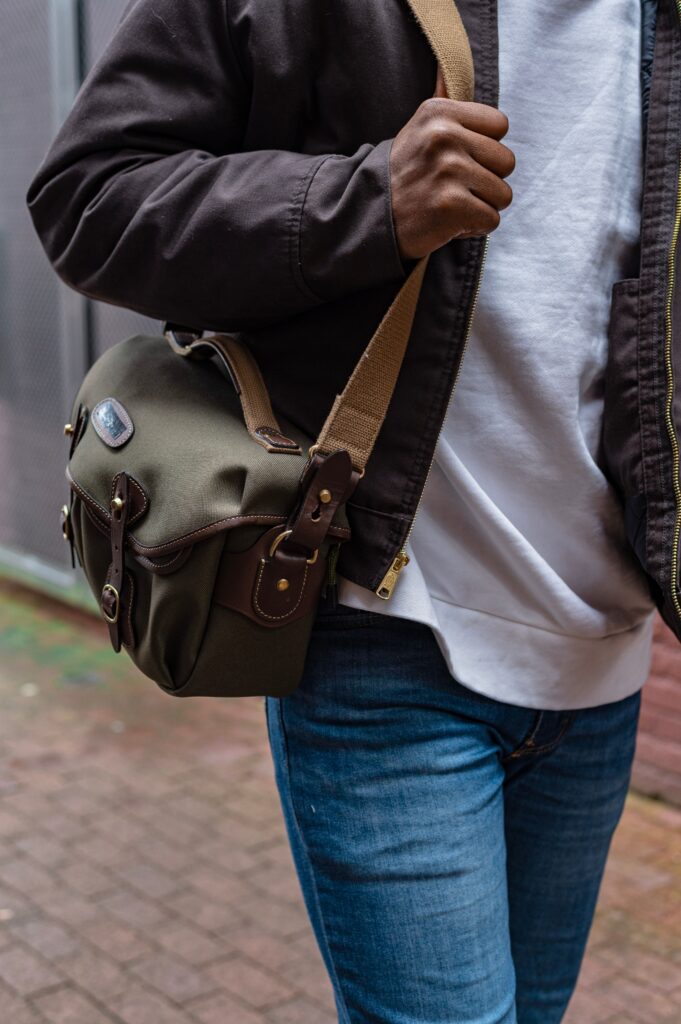
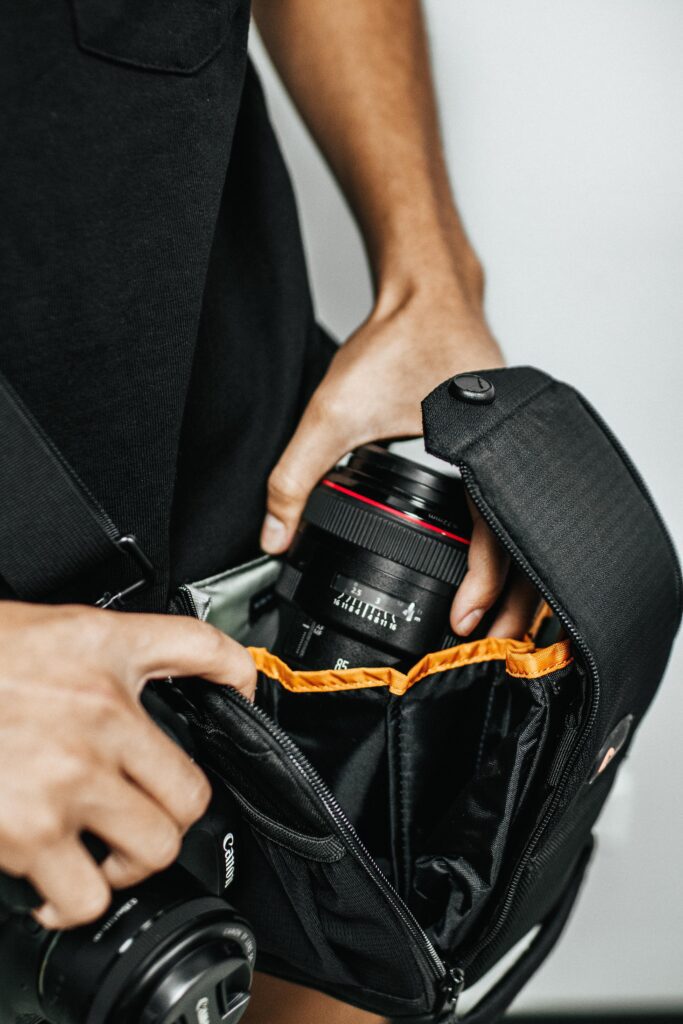
Shoulder bags sit at your side and typically open from the top, letting you grab your camera quickly without much fuss. This makes them a favorite for street photography, events, or any situation where you need to react fast and start shooting.
⚠️ Watch Out: Many shoulder bags are marketed as “water-resistant,” but this usually means light drizzle protection, not something that’ll hold up in heavy rain or if the bag gets submerged. If you shoot outdoors often, check the specific rating rather than assuming.
The downside is comfort over time: since all the weight sits on one shoulder, a fully loaded shoulder bag can start to feel uneven or tiring during a long day out.
Sling Bags: A Middle Ground Worth Considering
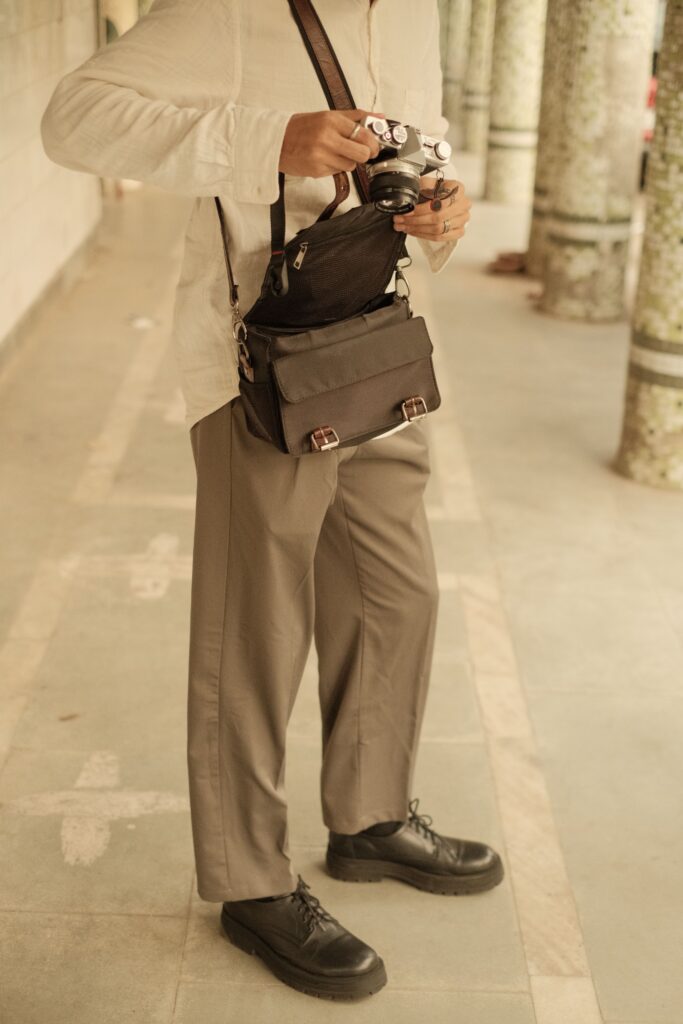
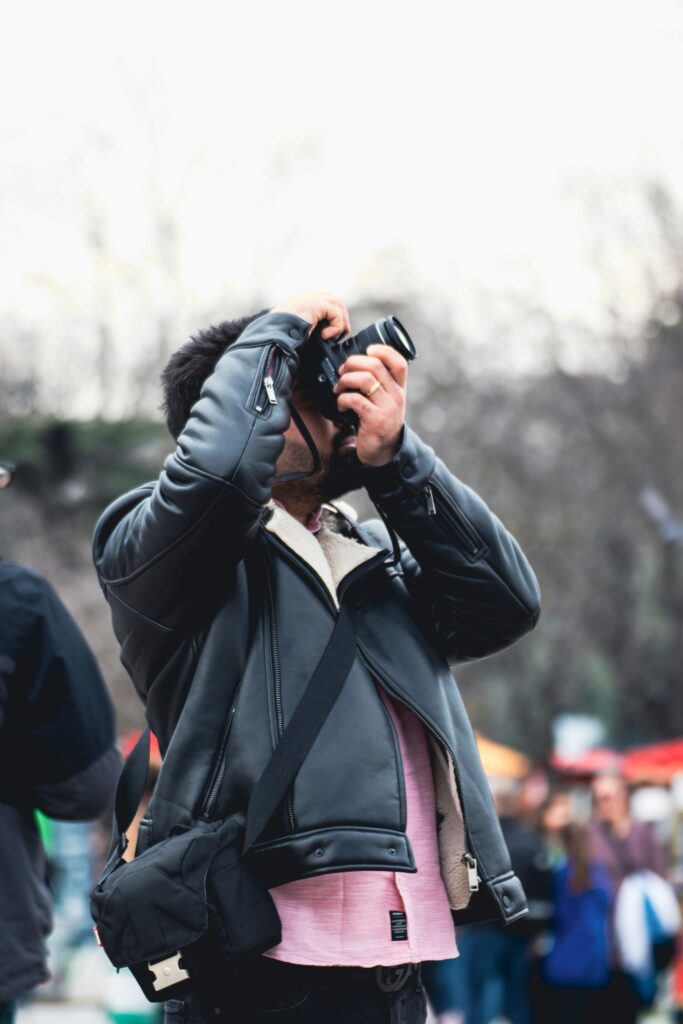
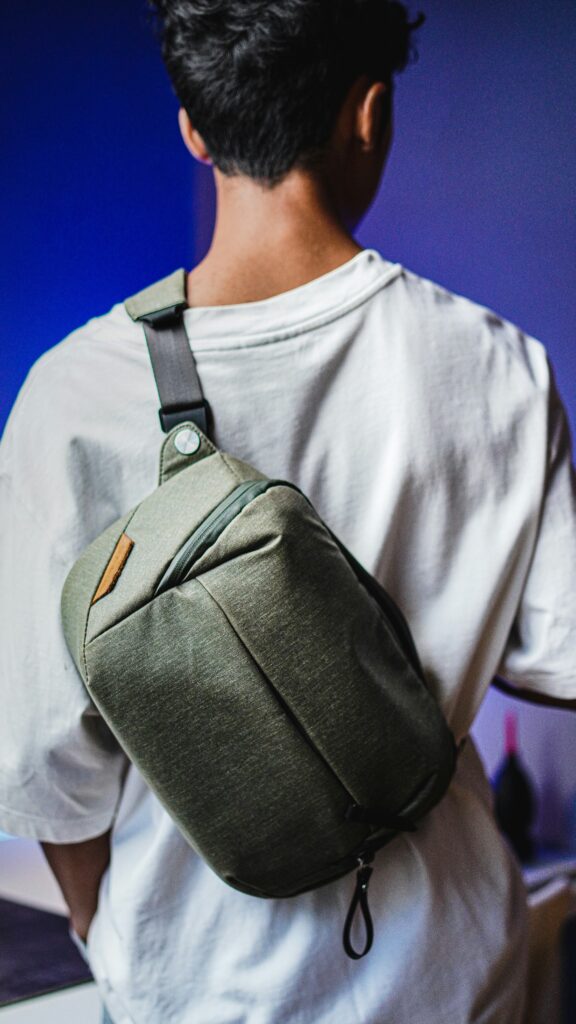
Sling bags are worn diagonally across your body and can be quickly swung around to the front for access, without fully taking the bag off. This makes them a nice middle ground: faster access than a backpack, but more balanced weight distribution than a shoulder bag.
The main limitation is capacity. Sling bags generally can’t hold as much gear as a full backpack, so if you travel with multiple lenses, extra bodies, or a tripod, you might find yourself running out of room.
So, Which One Fits How You Actually Shoot?
Here’s a simple way to think it through: if you carry a lot of gear over long distances (travel, hiking), a backpack is likely your best fit. If you need fast access and don’t carry too much (events, street photography), a shoulder bag makes sense. If you want a balance of both, a sling bag is worth considering, as long as your gear collection isn’t too large yet.
One more thing worth checking: if you use a tripod regularly, look for a bag with external straps or a dedicated pocket for it, since not all bags account for that extra piece of gear.
📌 Key Takeaways
- Backpacks are best for carrying a lot of gear comfortably over distance.
- Shoulder bags offer the fastest access but can feel uneven over long periods.
- Sling bags balance speed and comfort, but hold less gear than a full backpack.
Hopefully this makes the decision a bit clearer! The “best” camera bag really comes down to how, and how much, you actually shoot, not which one looks the most impressive.
Want to keep learning?
Leave a Reply