
You know the feeling: you get home excited to edit your footage, only to watch it back and realize every shot is shaking slightly (or a lot). Maybe you were walking while filming, or just holding your camera a little too long without support.
It’s one of the most common frustrations in video, and the fix usually comes down to one of two tools: a tripod or a gimbal. This guide breaks down what each one actually does, so you can figure out which one solves your specific problem.
The Core Difference: Static Stability vs Moving Stability
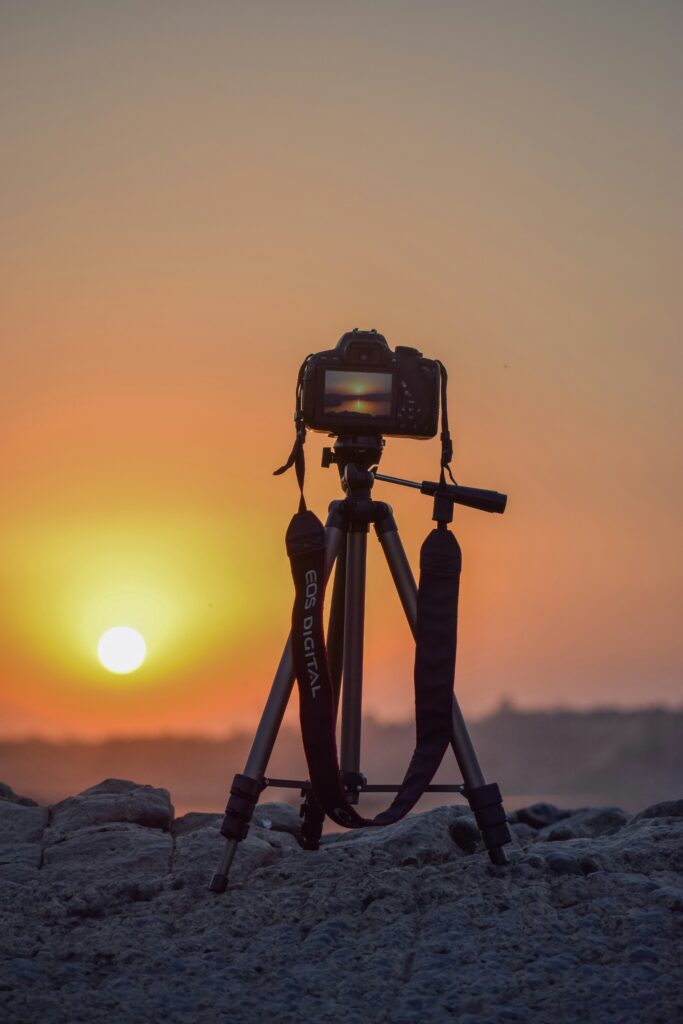
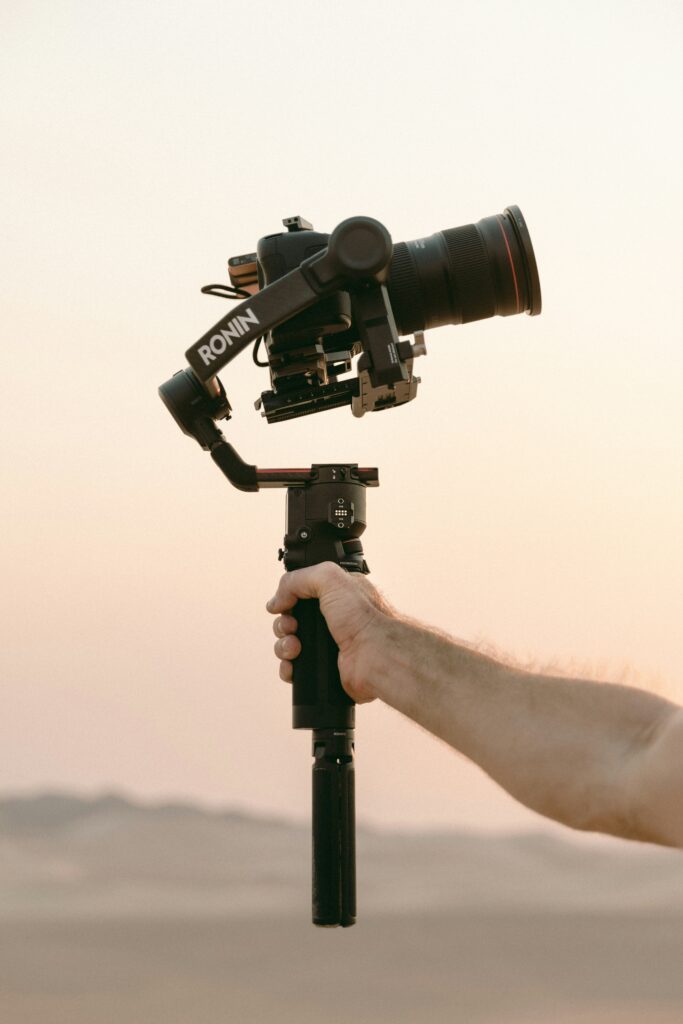
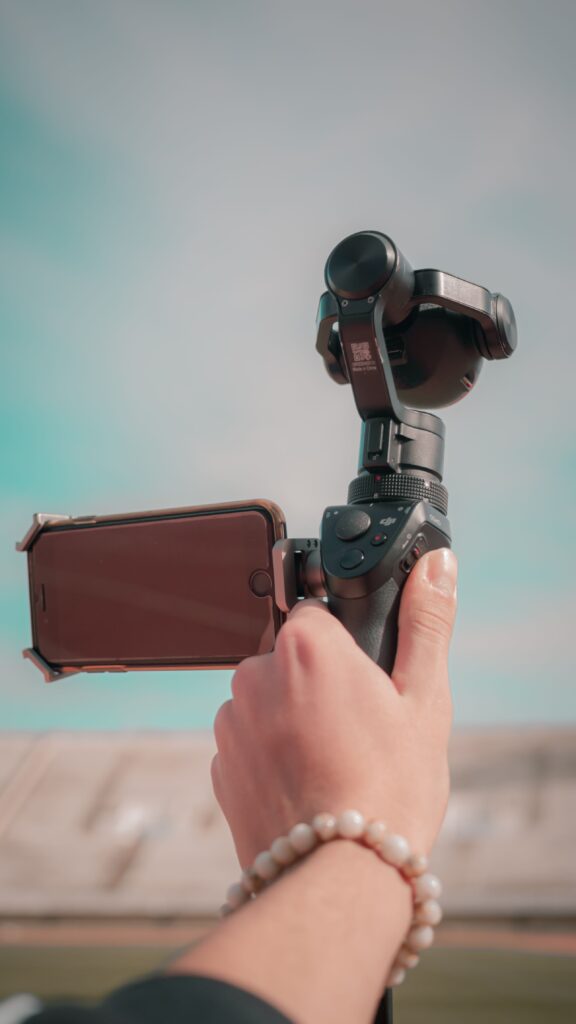
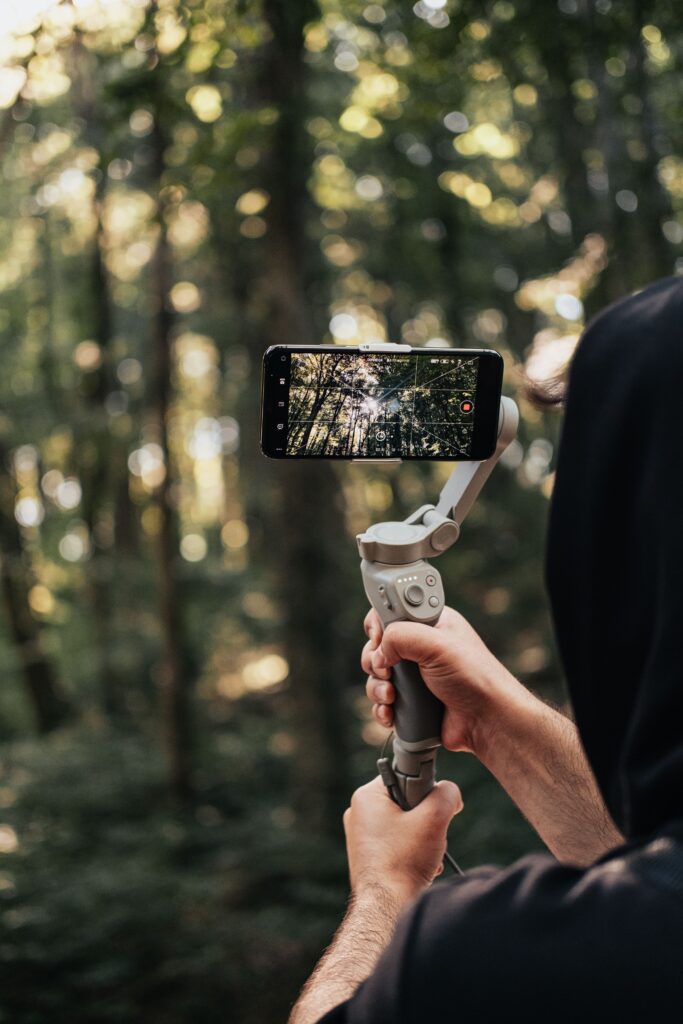
Here’s the simplest way to think about it: a tripod keeps your camera perfectly still in one fixed position. A gimbal keeps your camera stable while you’re moving (walking, turning, even running).
Think about the difference between filming a seated interview versus filming yourself walking through a city street. In the first case, you want the camera to stay completely locked in place. In the second, you want smooth footage even though you (and the camera) are constantly moving. That’s the core distinction that decides which tool you actually need.
💡 Quick Tip: Gimbals typically need to be charged and balanced (adjusting the camera’s position on the gimbal so it sits level) before each use, which takes a few extra minutes compared to just setting up a tripod.
When a Tripod Is Exactly What You Need
Have you ever tried recording a video call, a tutorial, or yourself talking to the camera, only to give up holding your phone or camera after a few minutes? That’s exactly the situation a tripod is built for.
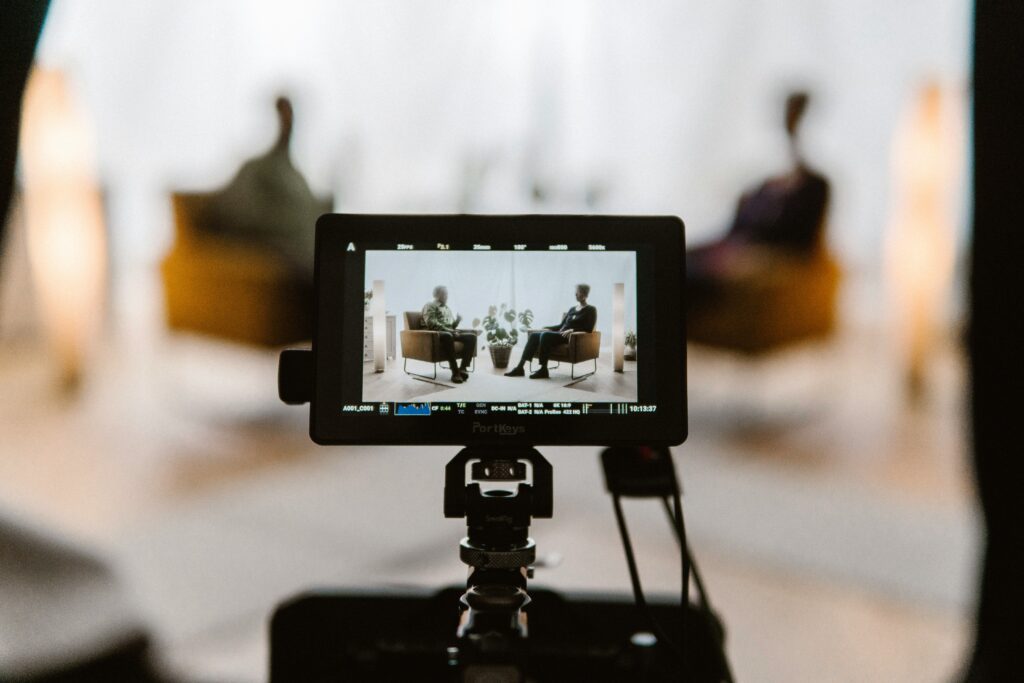
Tripods are ideal any time your subject (or you) isn’t moving around: sit-down interviews, cooking videos filmed from a fixed angle, product demonstrations, or a talking-head vlog filmed from your desk. In these situations, a gimbal would honestly be overkill, since there’s no movement to stabilize in the first place.
When a Gimbal Makes More Sense
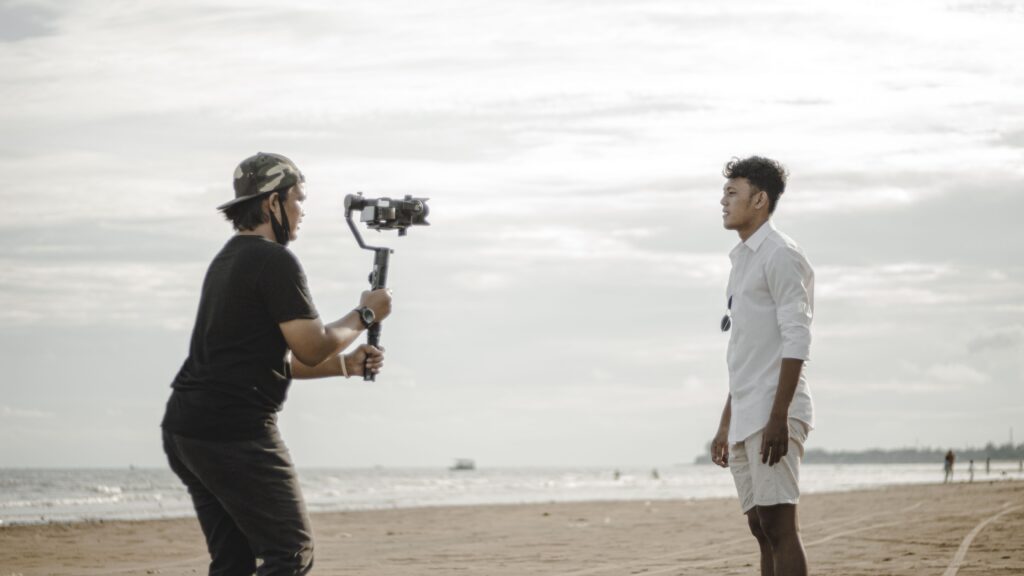
Now think about a different scenario: you’re walking through a market, following a friend down a trail, or recording yourself getting ready in the morning while moving around your room. Holding your camera steady in these situations is genuinely difficult, even for people with very steady hands. Footage almost always comes out shaky.
This is where a gimbal shines. It uses motors to actively counteract your movement, keeping footage smooth even while you’re walking, turning, or moving quickly. If you’ve ever watched a travel vlog with impossibly smooth walking shots, there’s a very good chance a gimbal was involved.
⚠️ Watch Out: Gimbals are built to support cameras up to a specific weight limit. If your camera and lens combination exceeds that limit, the gimbal won’t be able to stabilize your footage properly, so it’s worth checking your gear’s weight against a gimbal’s specifications before buying.
Common Scenarios: What Would You Actually Reach For?
To make this more concrete, here’s how a few common situations tend to break down:
| Situation | Better Tool |
|---|---|
| Sit-down interview or talking-head video | Tripod |
| Walking vlog or travel footage | Gimbal |
| Product photography or unboxing | Tripod |
| Following a moving subject (kids, pets, events) | Gimbal |
| Long exposure or night photography | Tripod |
| Action or sports footage while moving | Gimbal |
If you look at this table and find yourself nodding along to one column more than the other, that’s a pretty good sign of which tool matches how you actually shoot.
Do You Need Both, or Just One to Start?
Most beginners don’t need to buy both right away. Think honestly about what you actually film most: if it’s mostly stationary content (talking to the camera, interviews, product shots), start with a tripod. If you’re mostly filming yourself or others in motion (vlogging, travel, action), a gimbal will solve more of your actual problems.
As your content style grows or changes, adding the second tool later is a natural next step, not something you need to rush into on day one.
📌 Key Takeaways
- Tripods keep your camera perfectly still; gimbals keep it stable while you’re moving.
- Match the tool to your actual content: stationary shots need a tripod, moving shots need a gimbal.
- Most beginners only need one to start, based on what they actually film most often.
Hopefully this makes the choice a lot clearer! Whichever one fits your style, having the right tool makes a bigger difference to your footage than almost any other single purchase.
Want to keep learning?
Leave a Reply