
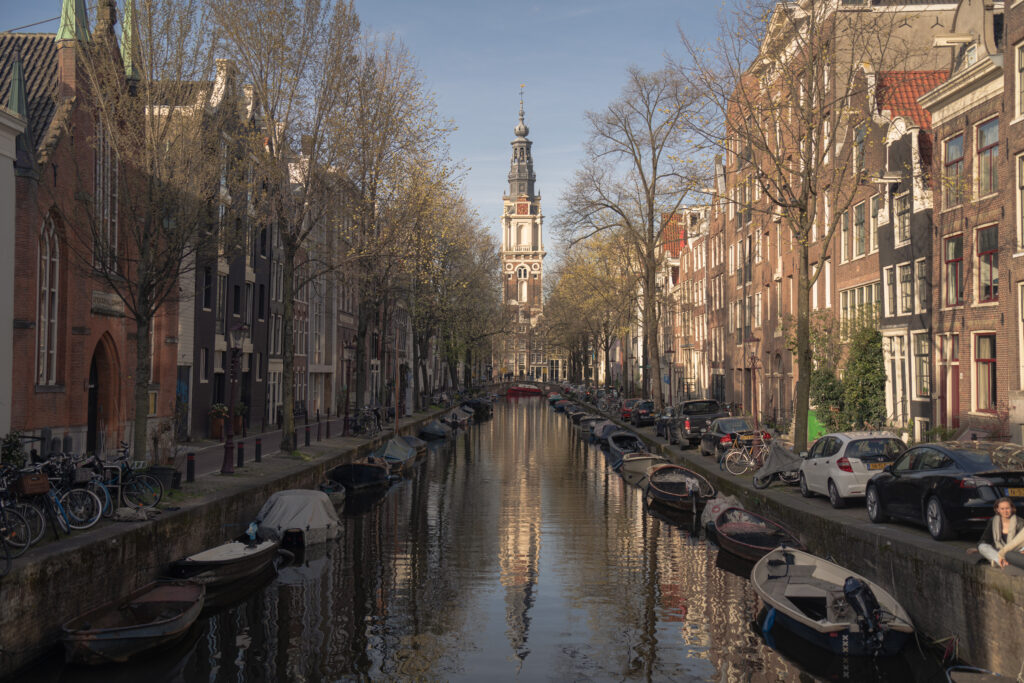
Your camera settings are right, your photo is sharp and well-exposed… but it still feels a little flat or boring. Sound familiar? The missing piece is almost always composition — how you arrange what’s in the frame.
The good news: composition isn’t some mysterious talent you’re born with. It’s a handful of simple habits anyone can learn. In this guide, you’ll get five easy composition tips you can start using today to make your photos instantly more interesting — no new gear required.
Use the Rule of Thirds
If you only learn one composition tip, make it this one.
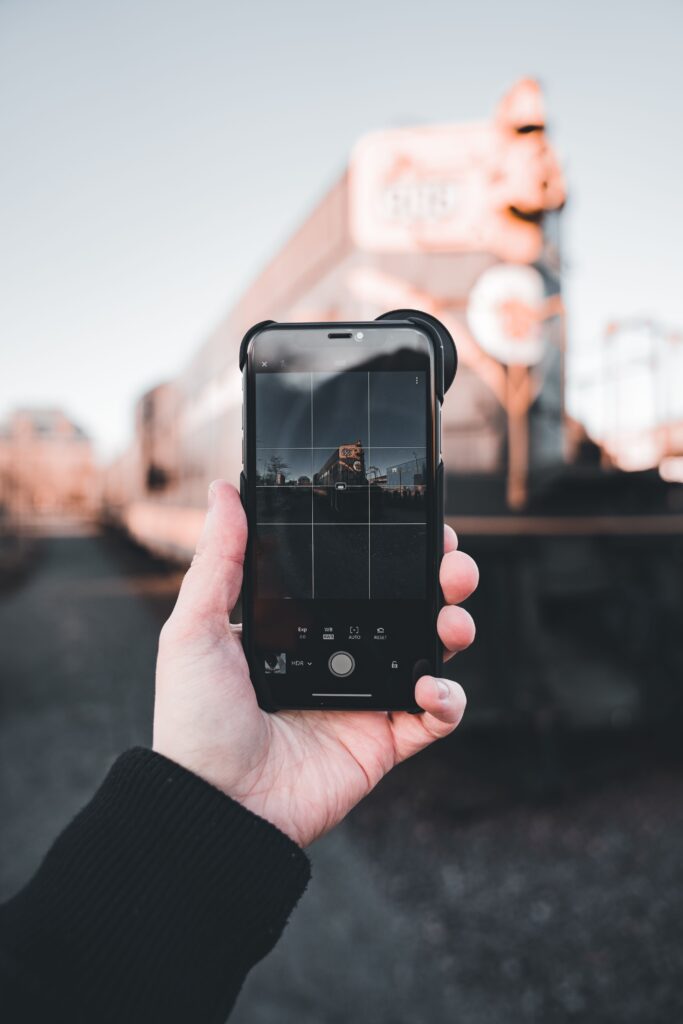
Imagine your frame divided into a 3×3 grid — like a tic-tac-toe board. The rule of thirds says you should place your main subject along those lines, or where they cross, instead of dead center. This small shift instantly makes a photo feel more balanced and natural.
For example, in a landscape, place the horizon along the lower line (to show more sky) or the upper line (to show more land) — not straight through the middle. For a portrait, put the person’s eyes near one of the top crossing points.
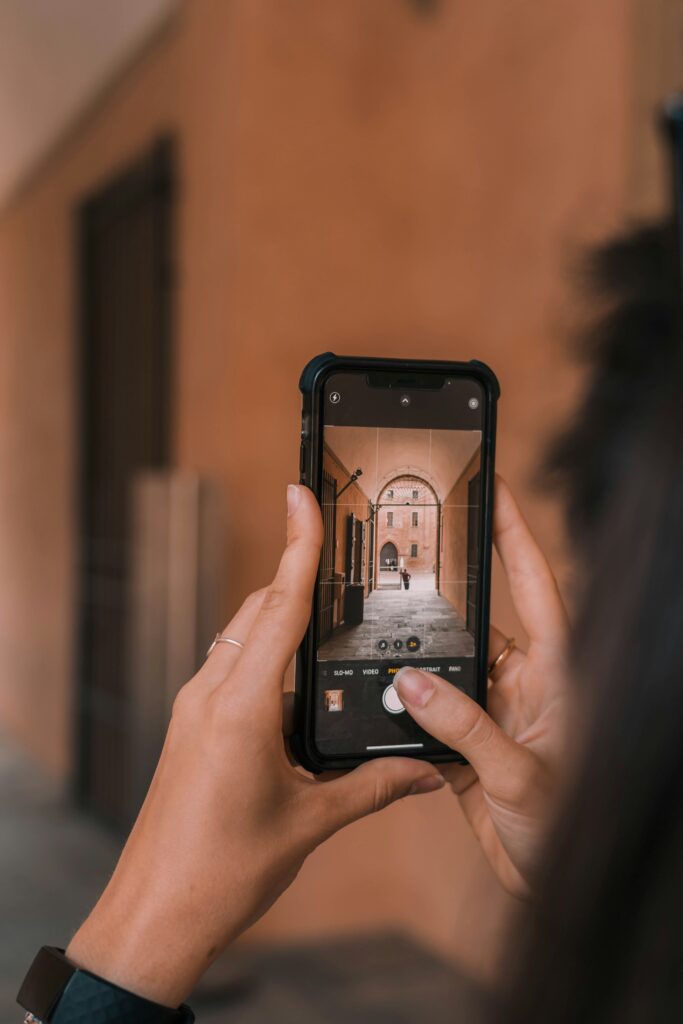
💡 Quick Tip: Most cameras and phones can display a grid overlay on your screen. Turn it on in your settings — it makes practicing the rule of thirds effortless, because the lines are right there as you shoot.
Watch Your Background
A great subject can be ruined by a messy background — and beginners often don’t notice until later.
We naturally focus so hard on our subject that we ignore what’s behind it. That’s how you end up with a lamppost “growing” out of someone’s head, or a cluttered shelf stealing attention. Before you press the shutter, take half a second to scan the whole frame, not just your subject.
The fix is usually tiny: take a step to the side, crouch a little, or wait for a distraction to move. A clean, simple background makes your subject pop.
⚠️ Watch Out: These tips are guidelines, not strict rules. Once you understand them, you can absolutely break them on purpose for creative effect. The goal is to compose intentionally — not to follow rules for their own sake

Use Leading Lines to Guide the Eye
Leading lines are one of the easiest ways to add a professional touch.
A leading line is any line in your scene that draws the viewer’s eye toward your subject — a road, a fence, a river, a row of trees, even shadows. Our eyes naturally follow these lines, so you can use them to point straight at what matters.
Next time you’re out shooting, look for lines already in the scene and position yourself so they lead into your photo, guiding attention where you want it.

Fill the Frame (or Use Negative Space)
How much space your subject takes up changes the whole feeling of a photo — and you have two strong options.
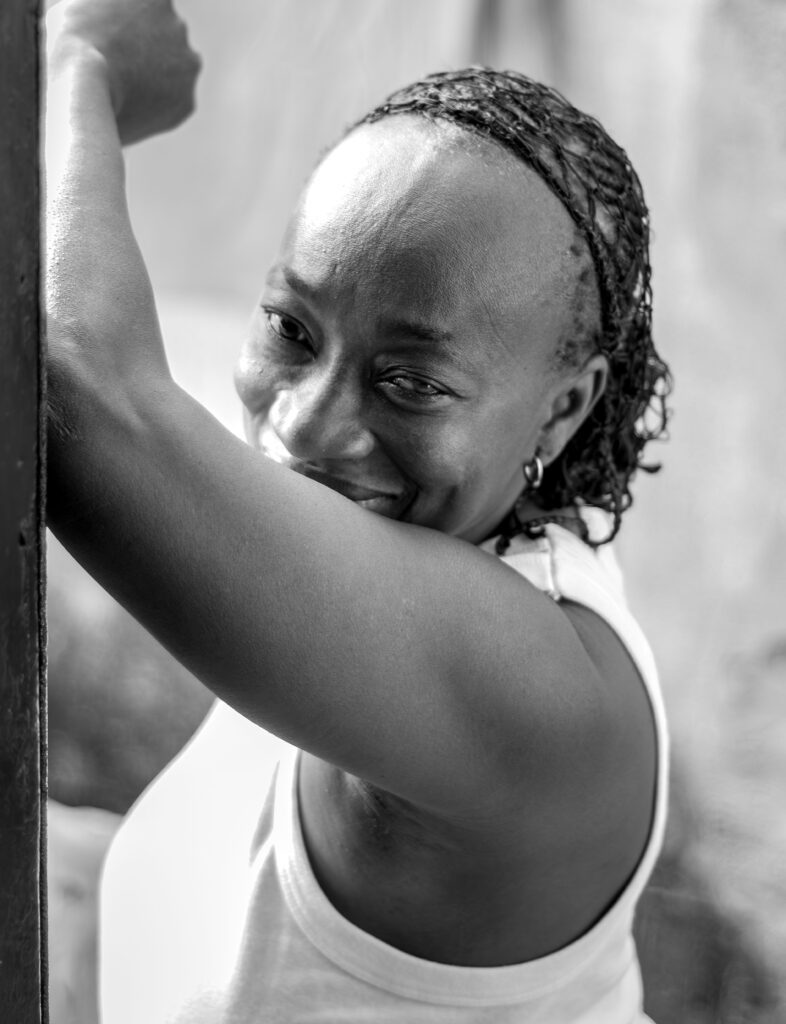
Fill the frame: Get closer (or zoom in) so your subject dominates the shot. This works wonderfully for portraits, details, and anything where you want impact and intimacy. Beginners often stand too far back — stepping closer is an instant upgrade.
Use negative space: The opposite approach. Leave lots of empty space around a small subject to create a calm, minimal, “breathing room” feeling. Think of a lone tree in a wide, empty field.
Neither is “correct” — what matters is choosing on purpose based on the mood you want.

Mind Your Angle and Eye Level
Most people take every photo standing up, from eye level — and that’s exactly why so many snapshots look ordinary.
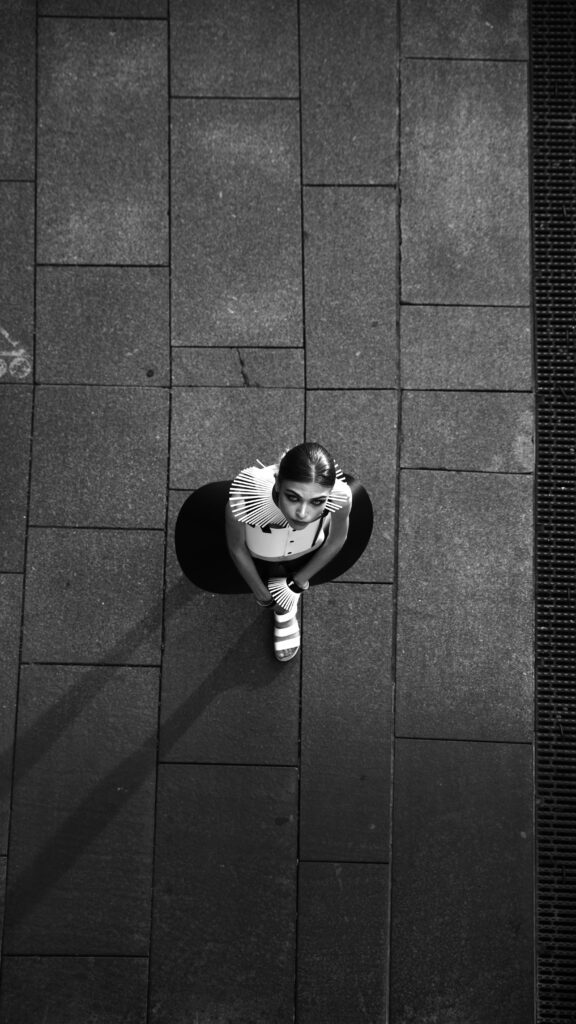
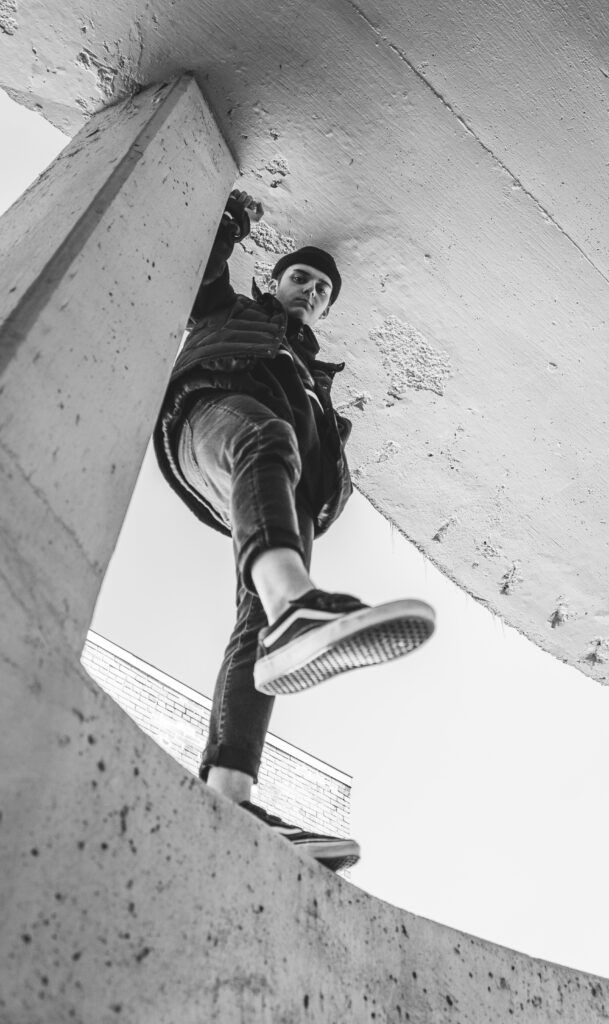
Simply changing your angle can transform a photo. Crouch down low to make a subject feel grand or powerful. Shoot from above for a clean, organized look. For pets and kids, get down to their eye level — it creates a much more personal, engaging shot.
You don’t need to do anything fancy. Just ask yourself, “What happens if I move higher, lower, or to the side?” and try a few options.
💡 Quick Tip: Take the same shot from two or three different heights and angles, then compare them later. You’ll quickly start to see which perspectives feel strongest — and it trains your eye for next time.
Final Thoughts
📌 Key Takeaways
- Composition is a learnable skill, not a natural-born talent — small habits make a big difference.
- The rule of thirds, clean backgrounds, and leading lines instantly make photos more engaging.
- Filling the frame, using negative space, and changing your angle add intention and impact.
The best part about composition is that it costs nothing — no new lens, no upgrade, just a more thoughtful way of seeing. Pick one or two of these tips to focus on next time you head out, and don’t worry about nailing all five at once. Little by little, composing strong photos will start to feel natural.
So grab your camera, play around with these ideas, and enjoy watching your photos get better!
Want to keep learning? Check out these beginner guides next:
Leave a Reply