
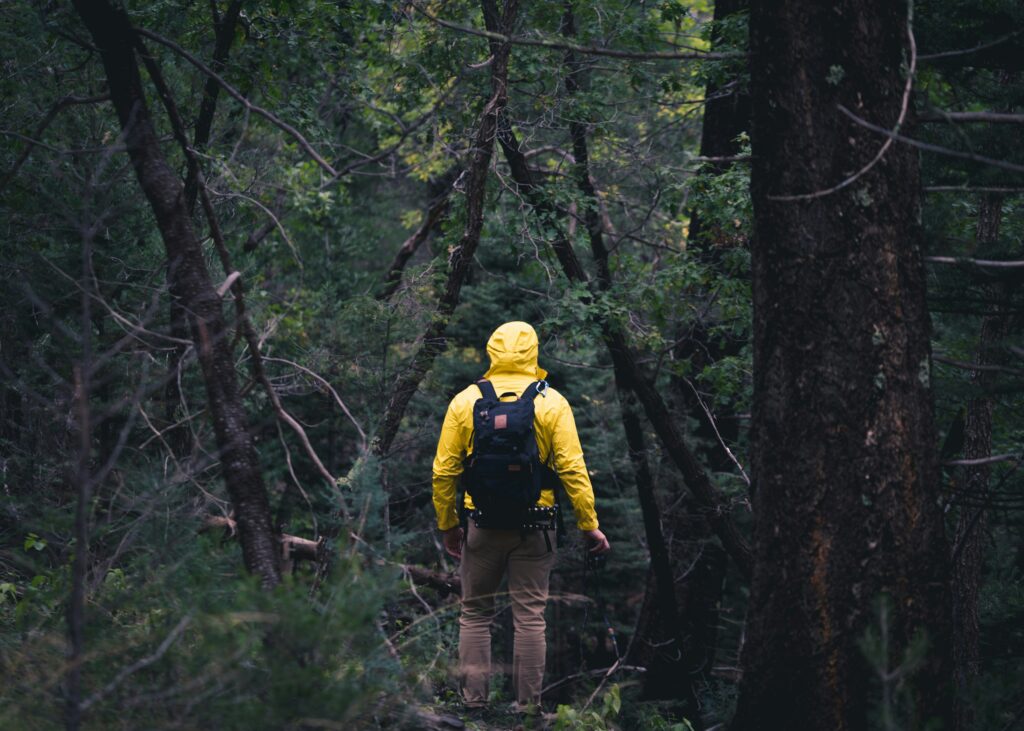
You finally made it to that breathtaking viewpoint after a two-hour hike — only to realize your tripod is sitting back at the hotel because it was just too heavy to carry. Sound familiar?
Choosing the wrong tripod for travel is one of the most common gear mistakes photographers make. The good news is that once you know what to look for, finding the right one is surprisingly straightforward. In this guide, you’ll learn exactly what separates a great travel tripod from a heavy, frustrating one — and how to pick the best option for the way you actually shoot.
Already new to tripods in general? Check out our beginner’s guide: How to Choose a Camera Tripod for the basics before diving in here.
What Makes a Tripod a “Travel Tripod”?
Not every tripod is built for life on the road. A standard studio tripod might be rock-solid in your living room, but it becomes a burden the moment you try to fit it into a carry-on bag or strap it to a hiking backpack.
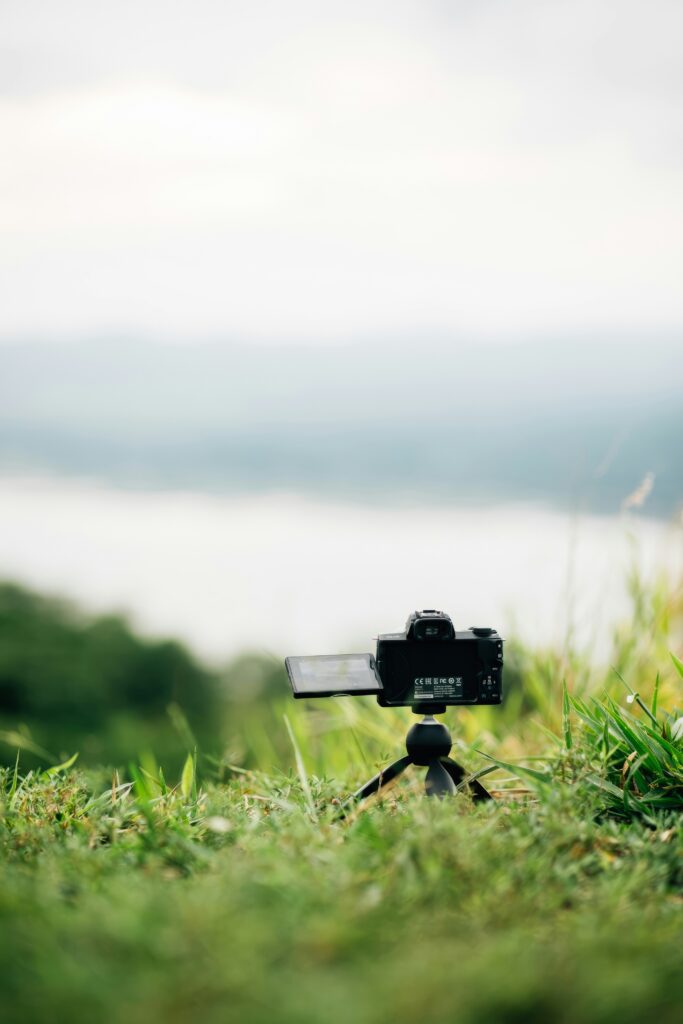
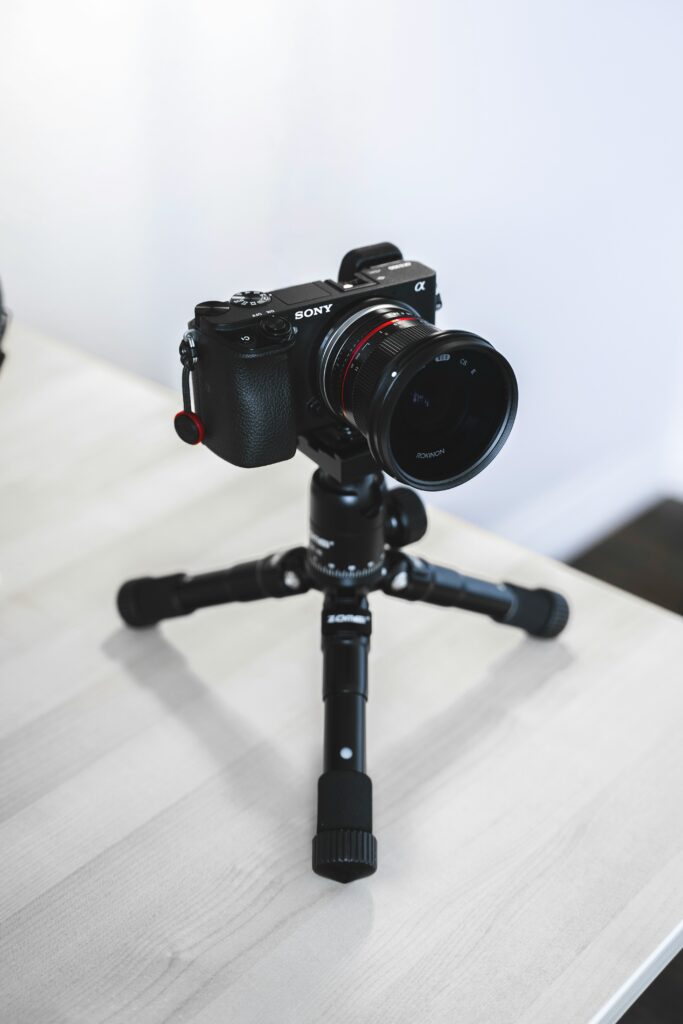
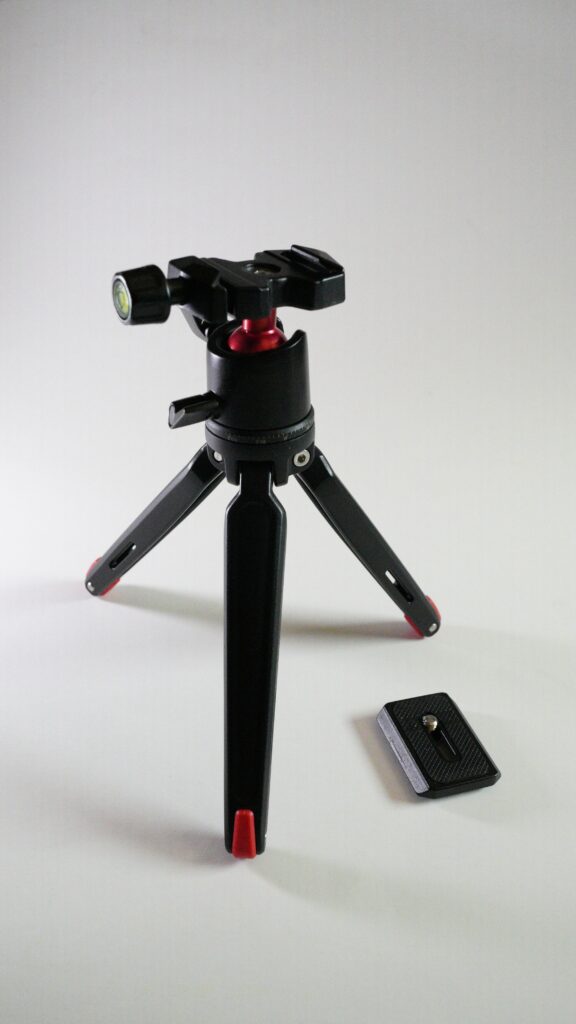
A travel tripod is specifically designed around three priorities: low weight, compact folded size, and fast setup. The legs typically fold upward around the head, bringing the folded length down dramatically compared to a regular tripod. Some models pack down to under 40 cm (about 16 inches) — small enough to slip into a backpack side pocket or a personal carry-on item.
The trade-off? Travel tripods are generally lighter and more compact, which can mean slightly less maximum stability compared to a heavy studio model. But for most travel photography scenarios — landscapes, cityscapes, sunsets, and casual video — they are more than capable of delivering sharp, beautiful results.
The Most Important Features to Look for in a Travel Tripod
When you’re comparing travel tripods, a few key specs matter far more than others. Here’s what to focus on:
Weight
This is the big one. For a travel tripod, aim for something under 1.5 kg (about 3.3 lbs). Many quality travel models come in well under 1 kg. Every gram adds up when you’re walking all day.
Folded Length
This determines whether your tripod actually fits in your bag. Check the folded length before buying — ideally under 45 cm. If you plan to carry it as hand luggage on flights, check your airline’s size restrictions for personal items or carry-ons.
Maximum Height
A tripod that only reaches your waist means you’re constantly hunching over. Look for a model that extends to at least 140–150 cm (roughly eye level for most adults) without fully extending the centre column, which can reduce stability.
Load Capacity
Always add up the weight of your camera body, your heaviest lens, and any accessories like a microphone or ND filter. Choose a tripod rated to hold at least 1.5 times that total weight for a comfortable safety margin.
Leg Sections and Lock Type
More leg sections mean a more compact fold — but also more setup time and potential weak points. Most travel tripods use 4–5 leg sections. For locks, twist locks tend to be more compact; flip locks are faster to deploy. Both work well — it’s mostly personal preference.
💡 Quick Tip: The Carry-On Test
Before buying, check the tripod’s folded length against your airline’s carry-on or personal item size limits. Many budget airlines have strict rules on personal item dimensions. A tripod that fits in your bag at home might not pass at the gate — and checking a fragile tripod in your hold luggage isn’t ideal.
Travel Tripod Materials: Carbon Fiber vs. Aluminum
The material your tripod is made from affects its weight, feel, vibration resistance, and price. For travel tripods, the conversation almost always comes down to two options.
| Type | Aluminum | Carbon Fiber |
|---|---|---|
| Weight | Moderate | Very light |
| Vibration Dampening | Good | Excellent |
| Durability | Very durable | Durable (but can crack under sharp impact) |
| Price | Budget to mid-range | Mid-range to premium |
| Best for | Beginners, budget-conscious travellers | Experienced users, long hiking trips |
Aluminum is heavier than carbon fiber, but not by a dramatic amount on compact travel models — often just a few hundred grams of difference. For beginners, a quality aluminum travel tripod is a very sensible starting point: strong, affordable, and reliable.
Carbon fiber is the premium choice. It’s noticeably lighter and absorbs vibrations slightly better, which helps with long-exposure sharpness on breezy days. However, it costs significantly more, and very cheap “carbon fiber” tripods don’t always deliver on that promise.
⚠️ Watch Out: Not All Carbon Fiber Is Created Equal
Some budget tripods are marketed as “carbon fiber” but use a very low grade of the material — meaning they’re not as light or as strong as you’d expect. If a carbon fiber travel tripod is priced well below what you’d expect for that material, check user reviews carefully before buying. A solid mid-range aluminum tripod will often outperform a poor-quality carbon fiber one.
Common Mistakes to Avoid When Buying a Travel Tripod
Even when you know the specs to look for, it’s easy to fall into a few traps. Here are the most common ones — and how to sidestep them.
Ignoring the Folded Length
Weight gets all the attention, but folded length is just as important for travel. A tripod that’s 60 cm when folded might not fit in your daypack, stick out awkwardly, or cause problems at airport security. Always check folded length alongside weight.
Forgetting About the Head
Some travel tripods are sold with a ball head included; others are sold as legs only. If the head isn’t included, factor that into your total budget and weight calculation. A mismatched, heavy head can undo all the weight savings of a compact set of legs.
Overlooking Quick-Release Compatibility
Most travel tripods use a quick-release plate system that lets you attach and detach your camera in seconds. The problem? These plates are not always universal. If you own other heads or accessories, check whether the plate system is compatible — or choose a brand that uses a widely adopted standard like Arca-Swiss.
💡 Quick Tip: Check Your Quick-Release System First
Before buying a travel tripod, note what quick-release system your current head (if you have one) uses. Arca-Swiss is the most widely compatible standard and gives you the most flexibility for future upgrades. It’s a small detail that can save a lot of frustration later.
How to Pick the Right Travel Tripod for Your Shooting Style
There’s no single “best” travel tripod — the right choice depends on how and where you shoot. Here’s a simple way to narrow it down:
If You’re a Landscape or Hiking Photographer
Weight is your enemy on long trails. Prioritize low total weight (under 1.2 kg if possible) and a compact folded length that straps easily to your pack. You’ll be setting it up on uneven ground, so look for adjustable leg angles and spiked rubber feet that grip rocky terrain.
If You’re a Travel Vlogger or Content Creator
You need speed and flexibility. Look for a travel tripod with a smooth ball head that allows quick repositioning, and consider a model compatible with a phone mount adapter if you shoot on multiple devices. Ease of setup matters more than shaving off the last 200 grams.
If You’re a City or Street Photographer
A lightweight, inconspicuous design works best. You’ll often be shooting in crowded spaces, so a small footprint and quick setup/breakdown time are essential. Mini travel tripods or those with a low minimum height are great for creative low-angle city shots.

Ready to Find Your Perfect Travel Companion?
The right travel tripod genuinely changes how you shoot on the road. It’s the difference between rushing a handheld shot and taking your time to compose something you’re truly proud of — from a mountaintop, a harbour at blue hour, or a quiet street at dusk.
Start with the features that match your shooting style, set a realistic budget, and don’t overlook the small details like folded length and quick-release compatibility. You don’t need the lightest or most expensive model on the market — you just need the one that fits your bag, your camera, and the adventures you’re planning.
Leave a Reply