
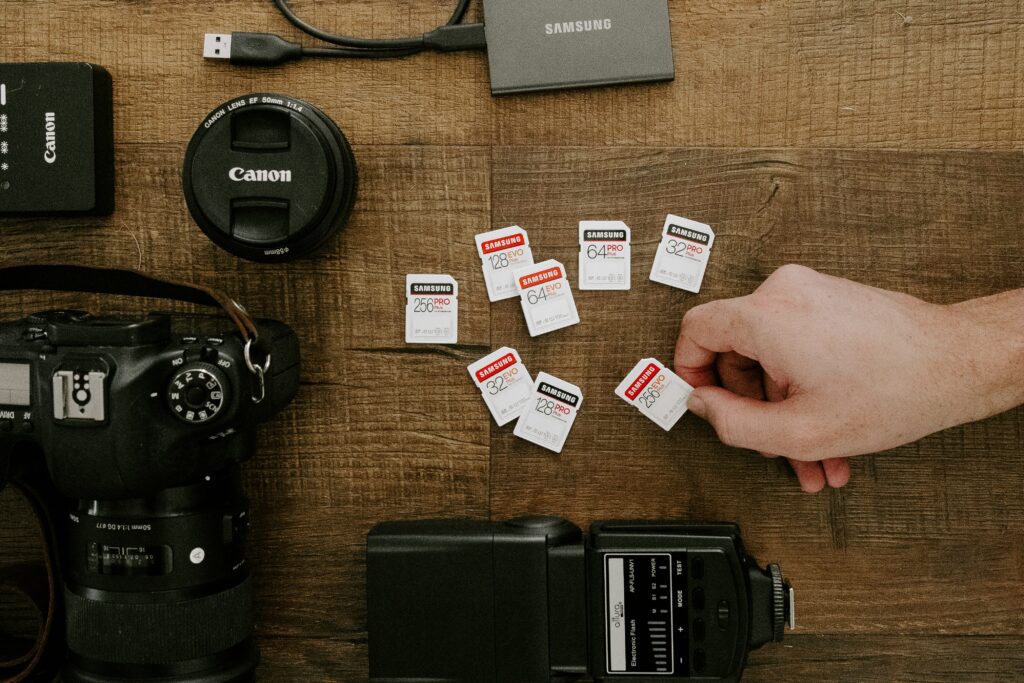
Standing in front of a wall of SD cards (or scrolling through listings online), you’ve probably noticed the same three names popping up again and again: SanDisk, Lexar, and Samsung. But what actually sets them apart, and does it even matter which one you pick? This guide walks through what each brand is generally known for, so you can make a confident choice based on more than just a familiar logo.
Why These Three Brands Come Up So Often
SanDisk, Lexar, and Samsung tend to dominate camera store shelves and online listings for a simple reason: they’ve all been manufacturing memory cards for a long time and have wide distribution, which makes them easy to find nearly anywhere.
Before comparing them individually, it’s worth repeating an honest point: the card’s specifications (speed class, capacity) generally matter more for actual performance than the brand name. Brand mostly comes down to availability, general reputation, and how easy it is to verify you’re buying a genuine product.
💡 Quick Tip: Whichever brand you lean toward, check the card’s speed class rating (look for labels like U1, U3, or V30) first. This tells you the guaranteed minimum write speed, which matters a lot if you shoot video.
SanDisk: What It’s Generally Known For
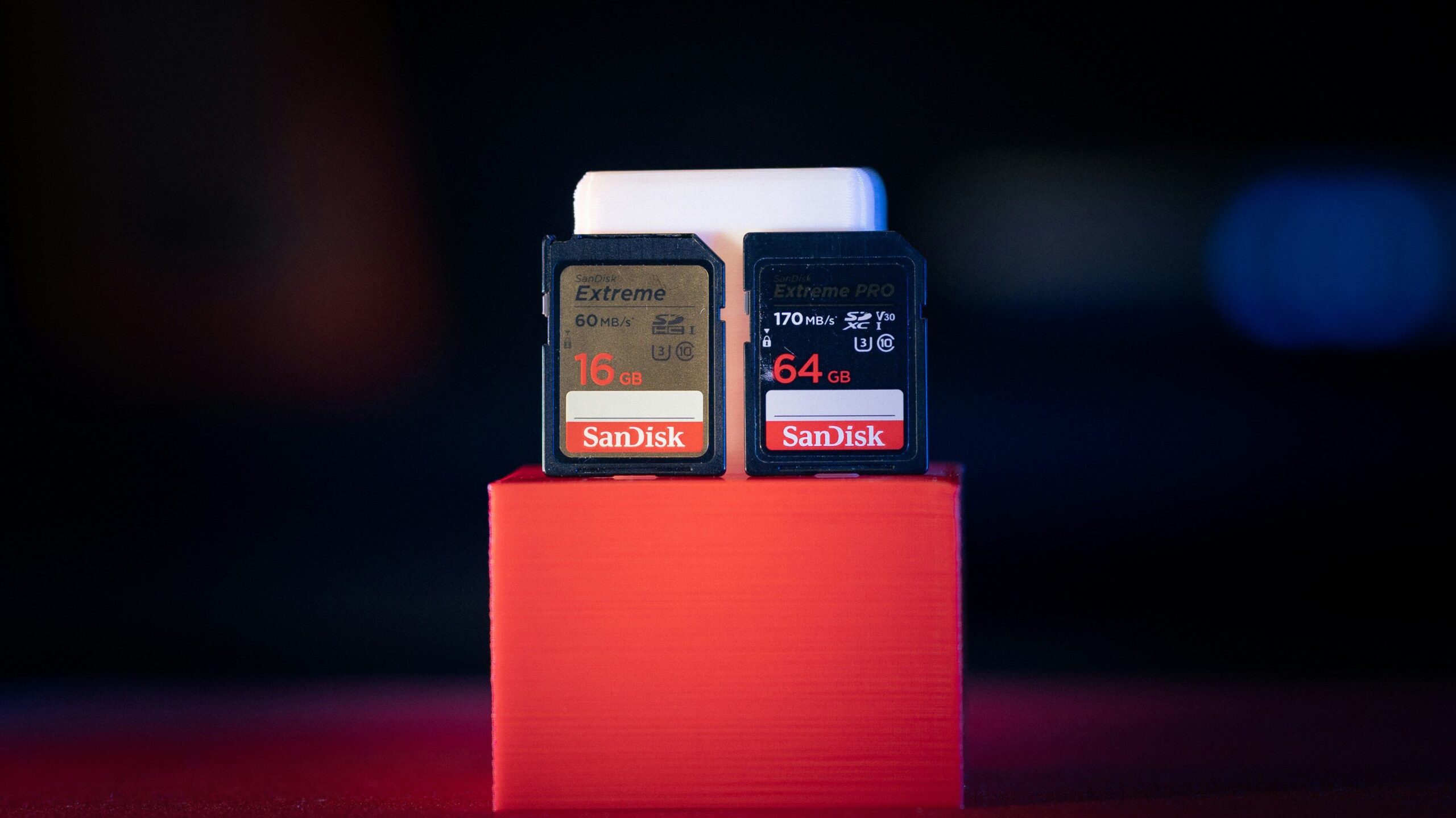
SanDisk is one of the most widely distributed memory card brands, often showing up as a default option in camera stores and electronics retailers. It’s been manufacturing memory cards for a long time, which has made it a familiar and commonly trusted name among casual and hobbyist photographers alike.
Because of how widely available SanDisk cards are, they’re often one of the easiest options to find in the specific speed class and capacity you need, wherever you happen to be shopping.
Lexar: What It’s Generally Known For
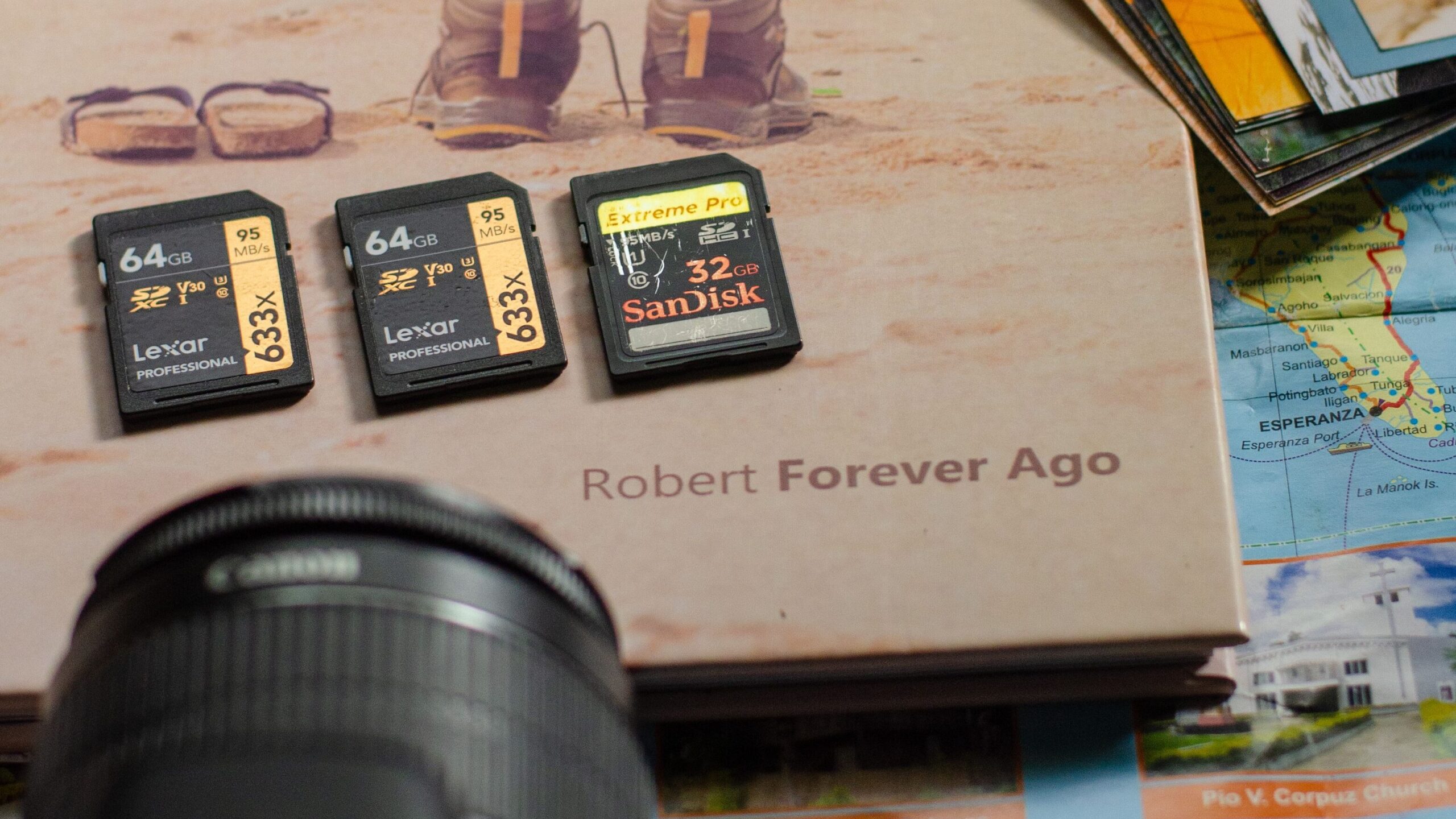
Lexar has a strong reputation specifically within photography and videography circles, often positioned as a brand geared toward creators. It’s commonly seen as a solid alternative to SanDisk, with a similarly long history in the memory card space.
Some photographers develop a preference for Lexar simply based on past experience or community recommendations, which is worth keeping in mind: personal preference and familiarity play a real role in these brand comparisons.
Samsung: What It’s Generally Known For
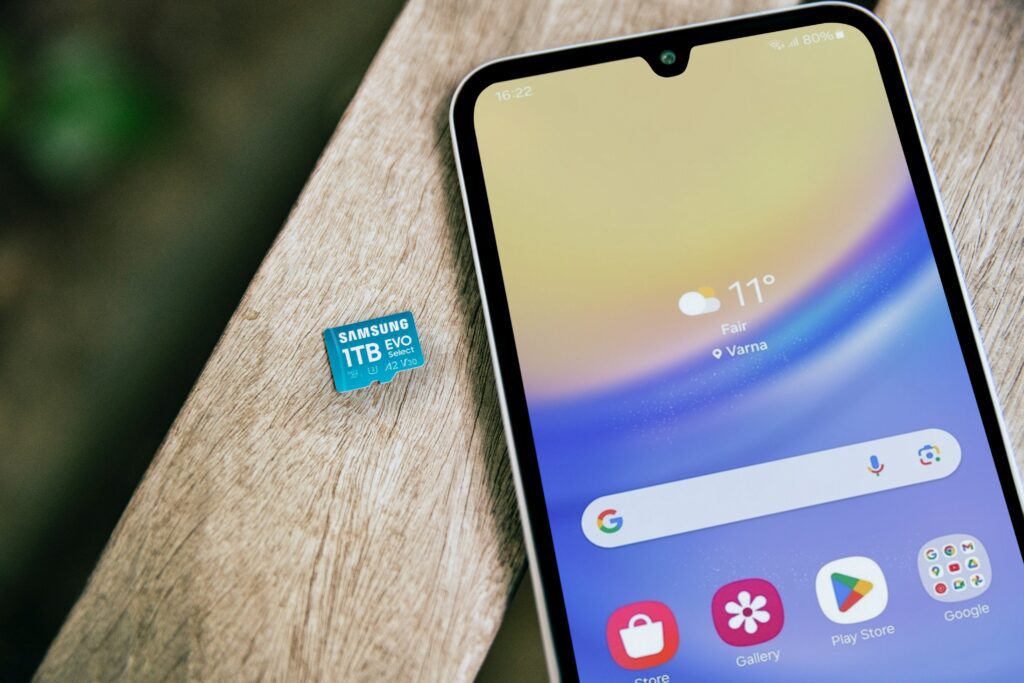
Samsung‘s memory card lineup benefits from the company’s much broader presence in consumer electronics overall (smartphones, storage devices, and more). This can translate into a sense of familiarity and trust for people who already use other Samsung products.
Compared to SanDisk and Lexar, Samsung’s memory cards are sometimes viewed as more general-purpose (used across phones, cameras, and other devices) rather than positioned specifically around photography and videography.
So, Which One Should You Actually Choose?
Honestly, all three brands are considered reasonable, trustworthy choices when purchased through official or authorized retailers. Rather than picking based on brand alone, match the card’s speed class and capacity to your actual shooting needs (covered in more detail in our SD card buying guide), and let price and availability help you decide between brands from there.
⚠️ Watch Out: Counterfeit cards claiming to be SanDisk, Lexar, or Samsung have shown up on third-party marketplace listings in the past. If a price seems dramatically lower than similar cards from the same brand and capacity, that’s a red flag. Buying from official stores or well-known authorized retailers is the safest way to avoid this.
📌 Key Takeaways
- SanDisk, Lexar, and Samsung are all widely trusted, with slightly different general reputations (broad availability, creator-focused, and general consumer electronics, respectively).
- Speed class and capacity matter more for actual performance than the brand name itself.
- Buy from official or authorized retailers to avoid counterfeit cards, regardless of which brand you choose.
Hopefully this clears up some of the confusion between these three familiar names! At the end of the day, any of them can serve you well as long as the specs match your needs and you’re buying from a source you trust.
Want to keep learning?
Leave a Reply